Ruapekapeka Pā
Defying British violations of Te Tiriti
Reacting to the British breaches of Te Tiriti o Waitangi, it was at Ruapekapeka Pā that Māori chiefs and their outnumbered warriors made their final stand of the Northern Wars.
View on map
The importance of Ruapekapeka Pā
The existence of this remarkable site contradicts a powerful myth that Māori and Pākehā were miraculously joined as one after the signing of Te Tiriti o Waitangi. In the early 1840s, discontent grew among Māori over harmful government policies.
The first protests were symbolic, but rapidly became major clashes. In 1845, a series of battles were fought a few kilometres inland from Kororāreka (now also known as Russell). The famous Ngāpuhi rangatira Hōne Heke and his uncle Te Ruki Kawiti spearheaded the resistance, which included the construction of Ruapekapeka Pā, while other Māori sided with the British.
The battle at Ruapekapeka Pā lasted for several weeks. A force of around 1300 British troops and 400 Māori began to advance on Ruapekapeka in early December 1845. The highly intricate pā with tunnels, rifle pits and trenches was surrounded by a strong palisade, but its garrison was outnumbered four to one. Following a full-scale bombardment, the British troops captured the pā, claiming victory. But many consider the battle to have been drawn. Heke and Kawiti escaped with their forces largely intact, and the terms of the subsequent peace settlement suggest that they may have won a strategic victory.
Ruapekapeka Pā is proudly cared for by Te Ruapekapeka Trust and the Department of Conservation Te Papa Atawhai.
What you'll discover at Ruapekapeka
Pou ihi
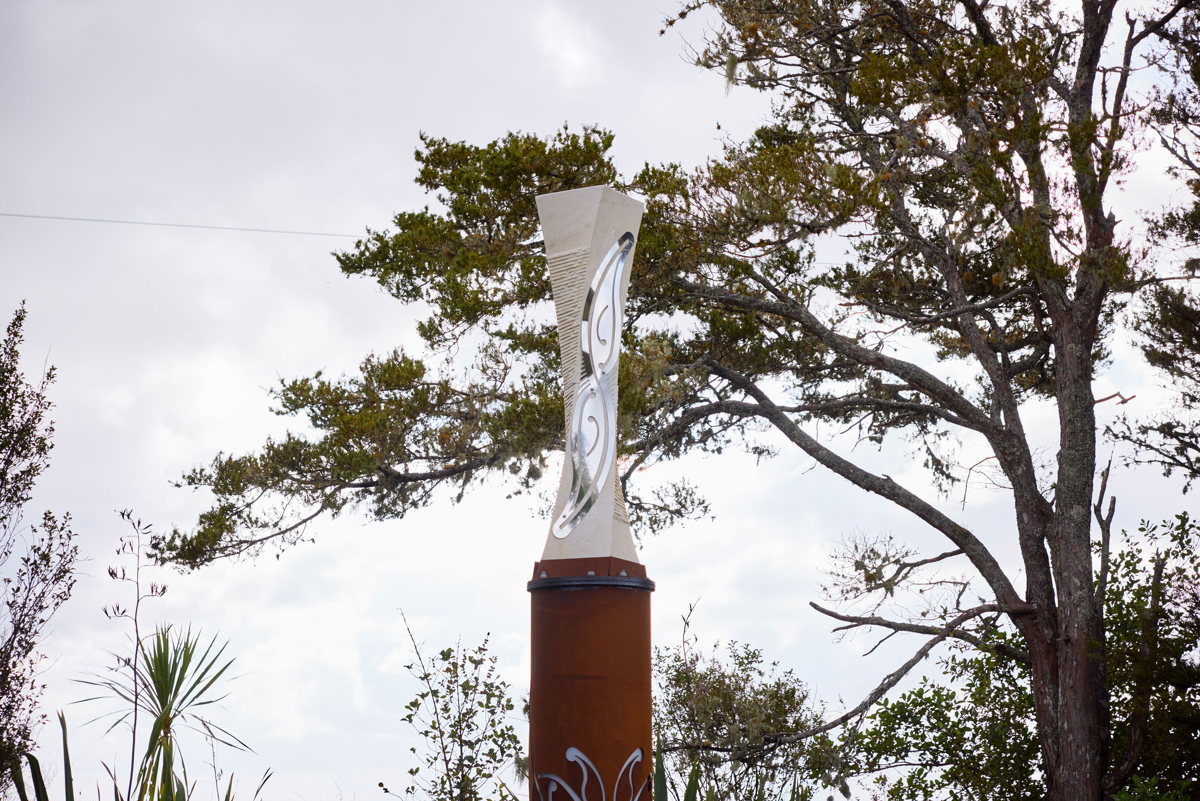
An impressive, five metre wayfinding pou stands at the turnoff on State Highway 1 to help you find your way to Ruapekapeka.
The pā and its trenches
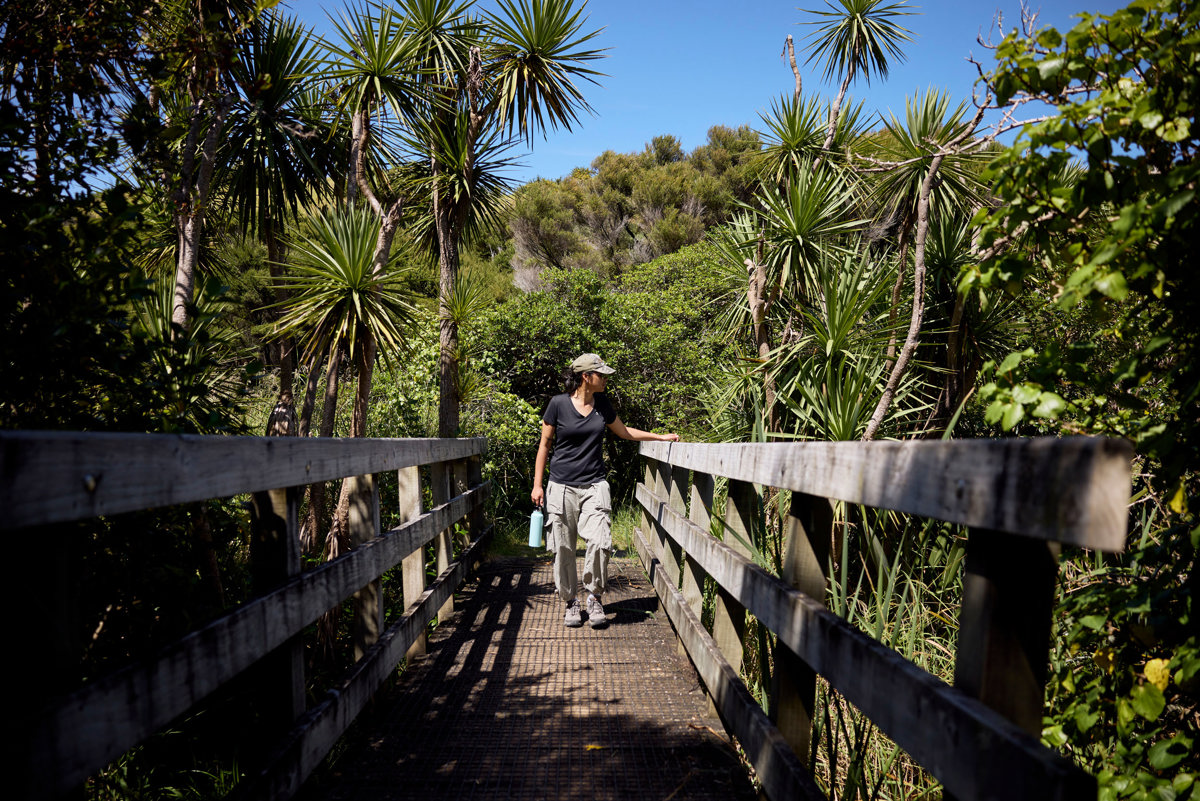
Follow a short, well-formed track that leads past the earthen defenses of the British and onto the hilltop where the pā was located. Appreciate the pā’s strategic location as you enjoy the 360 degree views over beautiful rolling countryside.
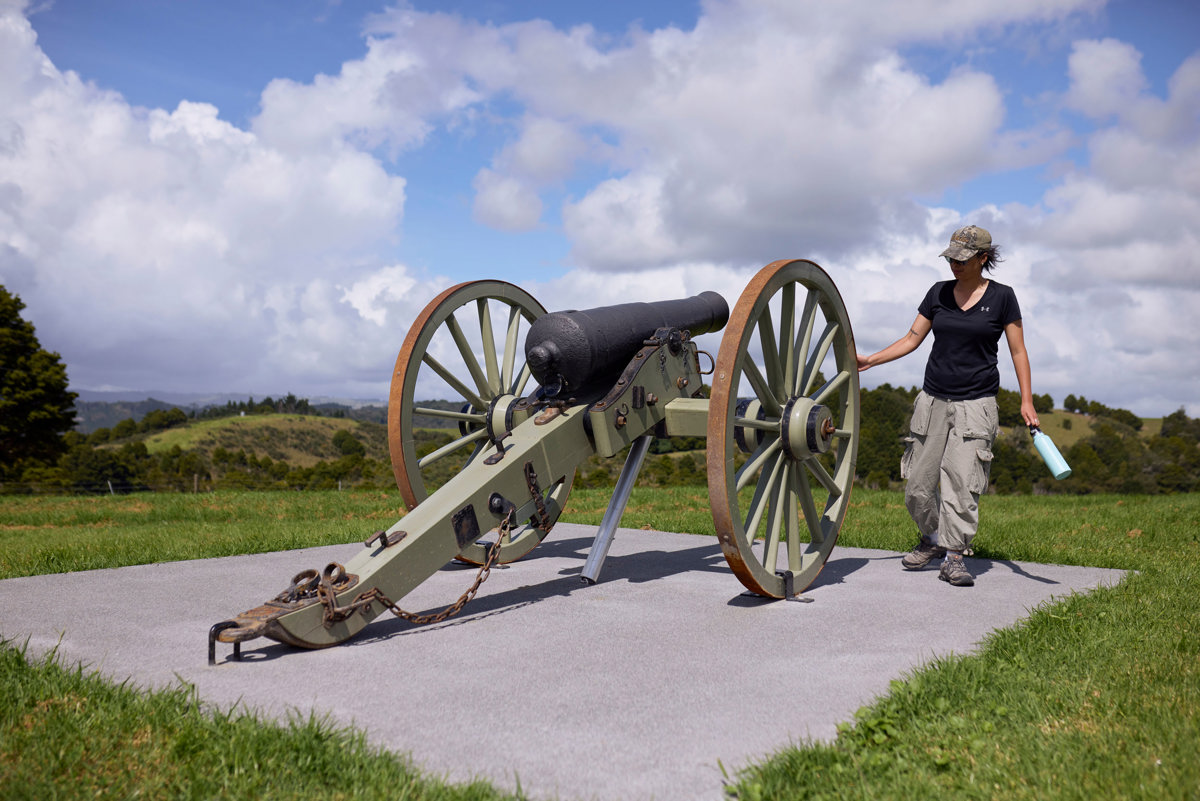
Marvel at the well-preserved ditch and bank defenses, one of the remaining cannons used by Chief Kawiti, and the well that supplied water to the defenders.
Tūpuna pou
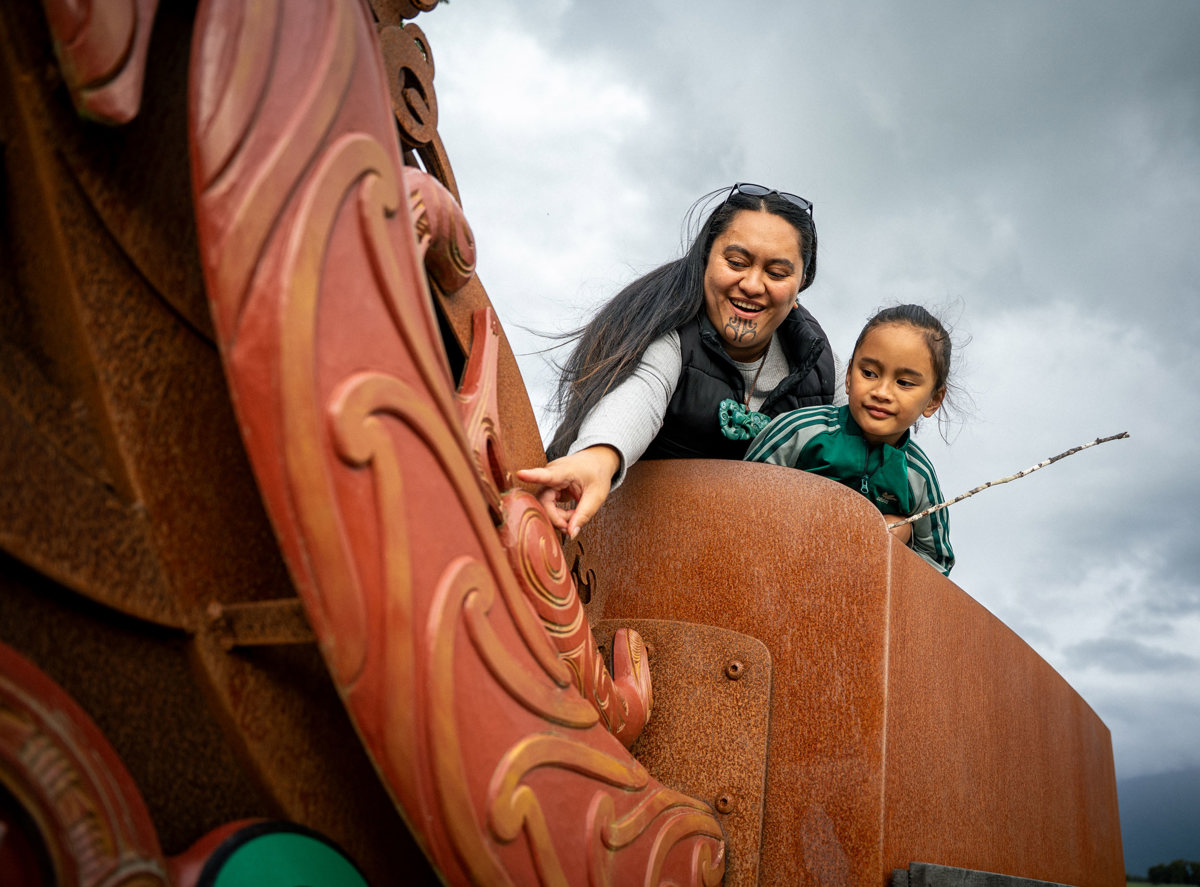
In 2026 12 new tūpuna (ancestor) pou were unveiled as part of the 180th commemorations of the battle. The pou represent combatants in the battle, and are striking in the diversity of their styles (both traditional and contemporary) and the stories they share.
The British side
He Rua Whakautu mo te Riri was unveiled in 2021 to mark the 175th anniversary of the conflict. This memorial stone acknowledges all those who were involved in the battle of Te Ruapekapeka and in particular those who gave their lives for their respective causes.
More information