Māngungu Mission
The largest Tiriti signing
Established as a Wesleyan mission station, Māngungu was the scene of the largest signing of Te Tiriti o Waitangi.
View on map
The significance of Māngungu Mission
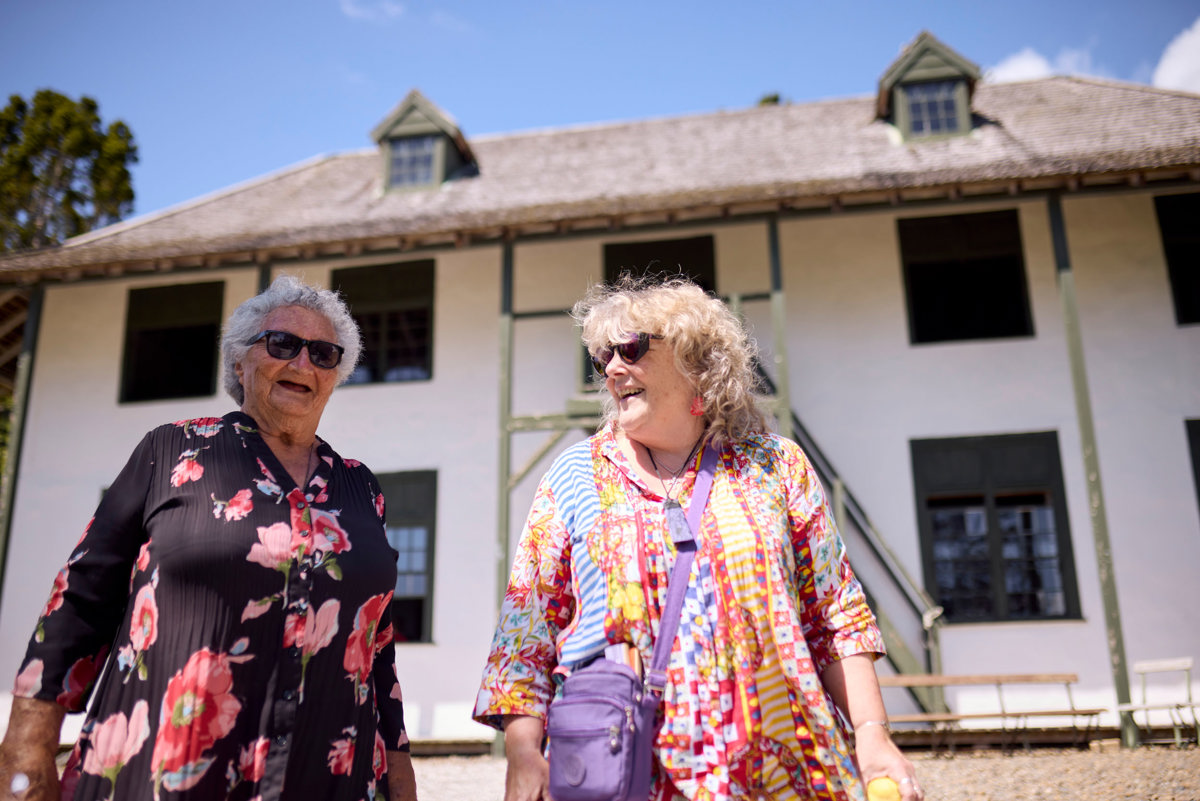
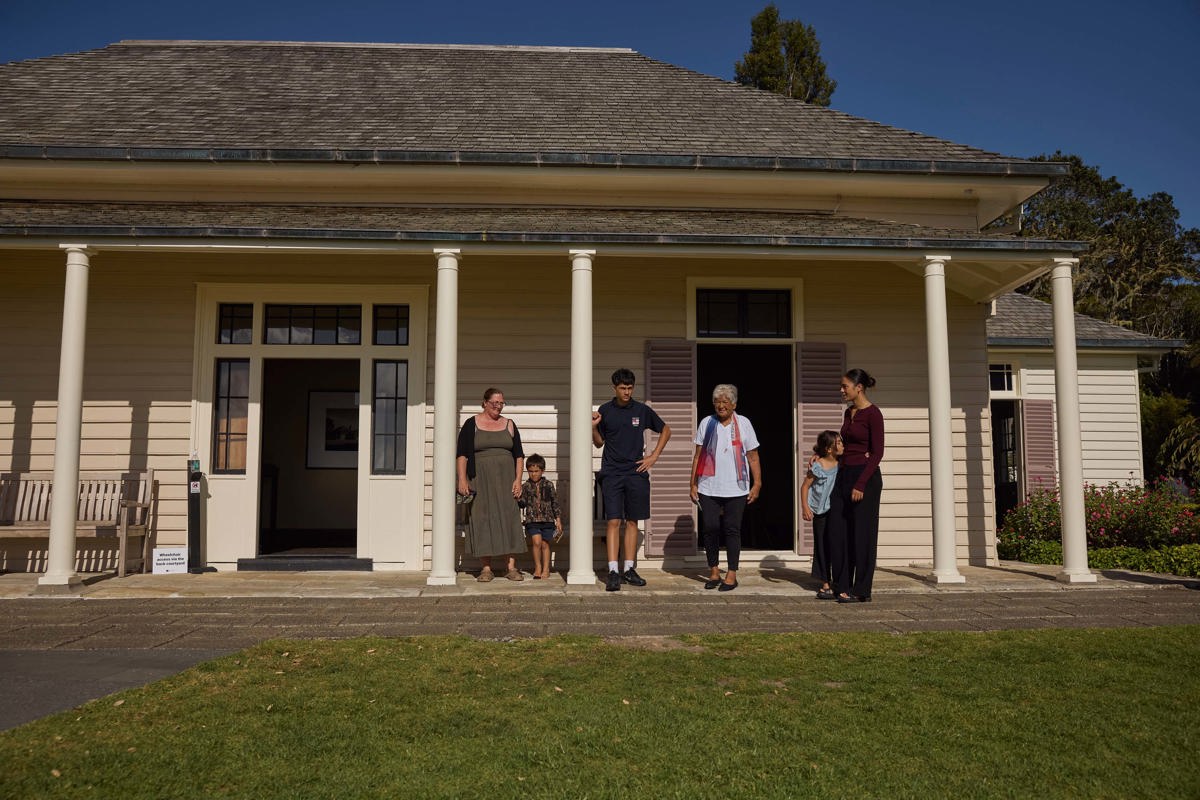
Located on the shores of the Hokianga Harbour, Māngungu was established as a mission station in 1828, under the invitation and protection of emerging Māori leader Patuone (Ngāti Hao). The simple mission house you see today was constructed for Reverend Nathaniel Turner in 1839. Despite its serene location, the house has a turbulent past.
The mission house was barely a year old when it became the site of the country’s largest signing of the Te Tiriti o Waitangi, which was attended by around 3,000 people. On 12 February 1840 over 70 local chiefs added their signatures to our founding document – more than twice the number of rangatira who signed at Waitangi.
Later that year, the house became the home of Reverend John Hobbs and his family. When they moved 15 years later, so did the house. It was shifted to Onehunga in Tāmaki Makaurau Auckland where it was used as a Methodist parsonage until it was sold to private owners. The mission house was eventually transported back to Māngungu in the 1970s.
Māngungu’s other claim to fame is that it’s the likely spot where the honey bee, apis mellifera mellifera, was first introduced to Aotearoa from Europe. Records show that Mary Bumby, the sister of a Methodist missionary, brought two hives ashore when she landed at Māngungu in March 1839.
Māngungu Mission is proudly cared for by Heritage New Zealand Pouhere Taonga.
What you can see and do at Māngungu
Take a tour
Tour the mission house to see a copy of the original Treaty document signed here, and look for the names of well-known New Zealand pioneers on the cemetery gravestones.
Arrive by bike
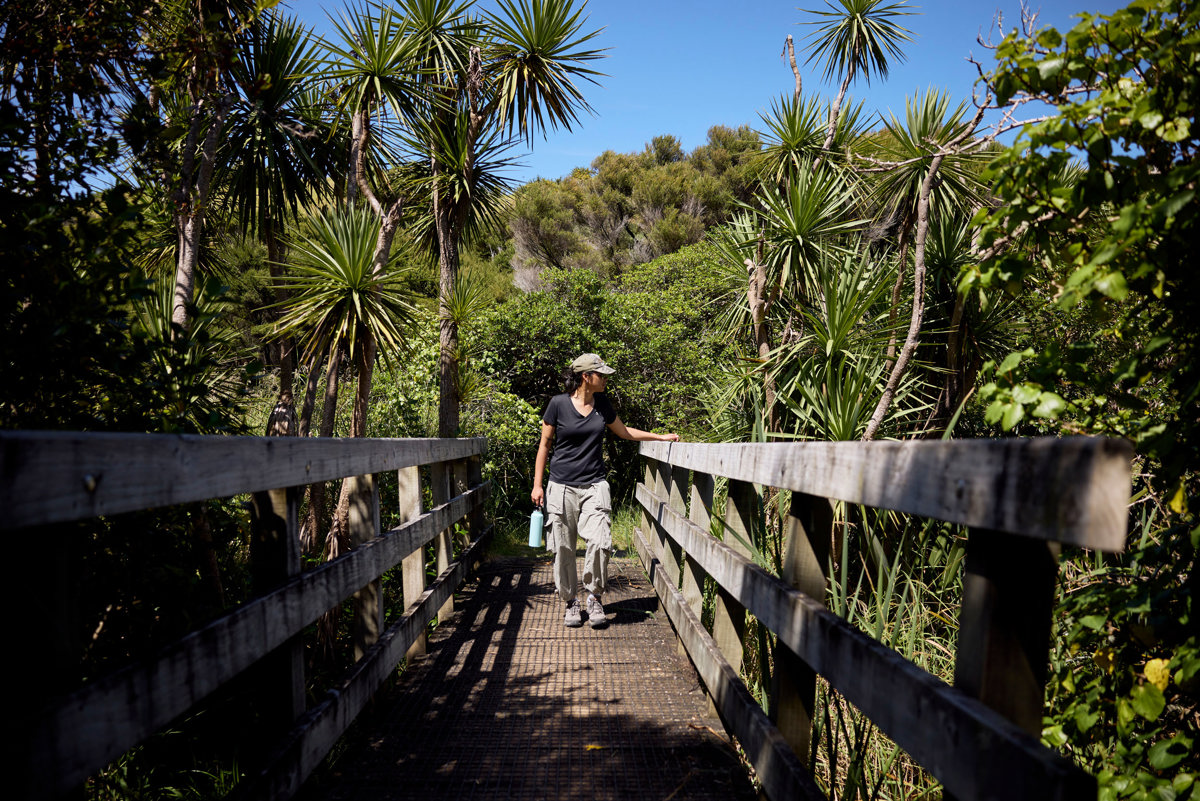
Cycle a section or all of the Ngā Pou Herenga Tai Twin Coast Great Ride, which starts or ends at Māngungu.
Enjoy the view
Look out over the beautiful Hokianga Harbour as you picnic on the grounds.
Time your visit for 12 February
Be part of the very special annual commemorations of the Hokianga signing of Te Tiriti o Waitangi which occurs at Māngungu each year on 12 February.
More information