Otago Central Rail Trail
Pedaling Otago's rural heart
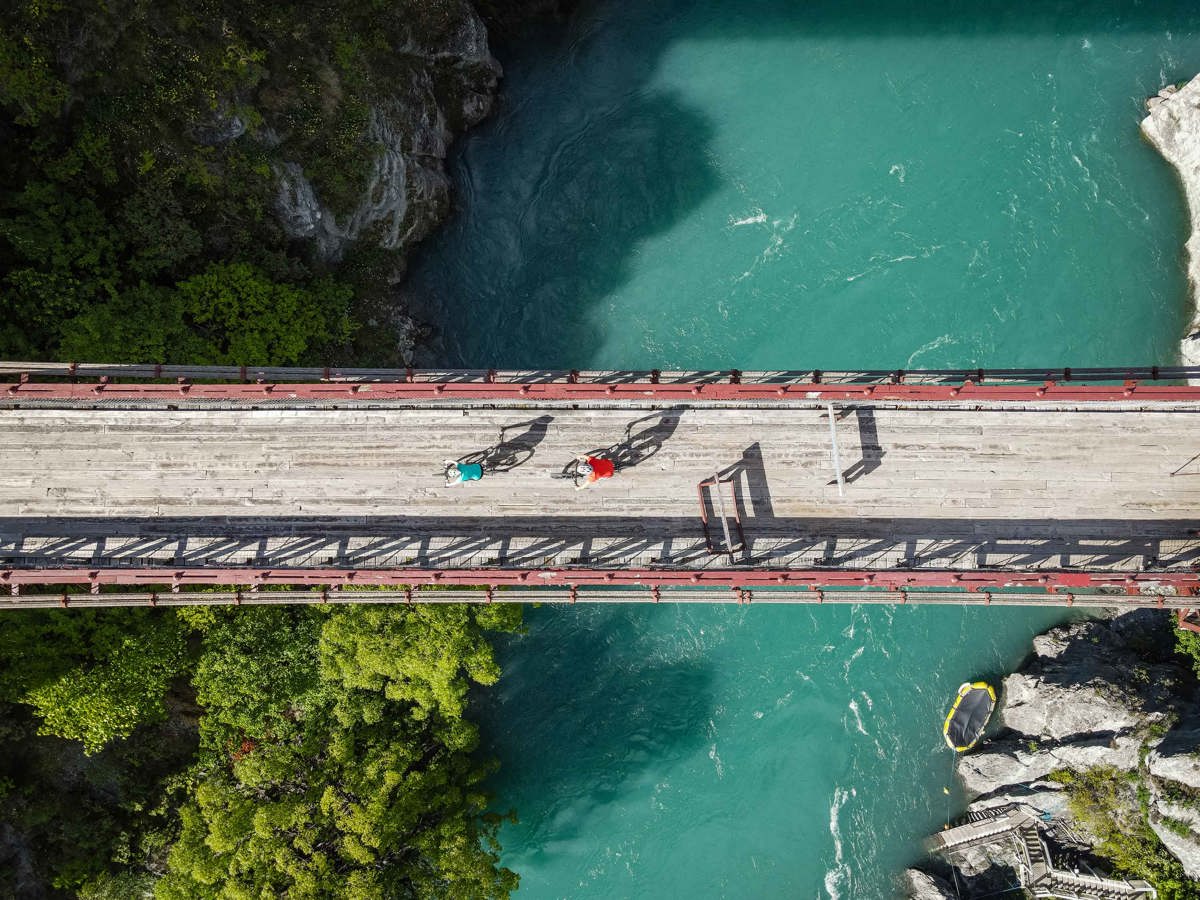
Aotearoa New Zealand's original Great Ride, this popular 152km cycle journey follows the Otago Central railway line that once connected isolated communities in Central Otago with Ōtepoti Dunedin.
View on map
The significance of the rail trail
Rich source of supplies for early Māori
The area traversed by the railway line has many sites of significance for Māori. While coastal areas of Te Waipounamu provided good pā sites, the interior was useful as a place for hunting tuna (eels) and birds and for collecting or trading stone and pounamu.
The Waihemo River was a known mahinga kai (food-gathering) site in the 14th century, common during the warmer seasons, with the colder seasons spent on the coast. Pātearoa is another significant place for Waitaha, Kāti Mamoe and Ngāi Tahu iwi with taonga being found in the area.
This area has the name Maniototo—plains of blood. Fire was used by Māori for hunting, and this changed the landscape from woody vegetation to grasslands which spread vigorously. The name Maniototo refers to the red colour of the tussocks.
A crucial link in rough terrain
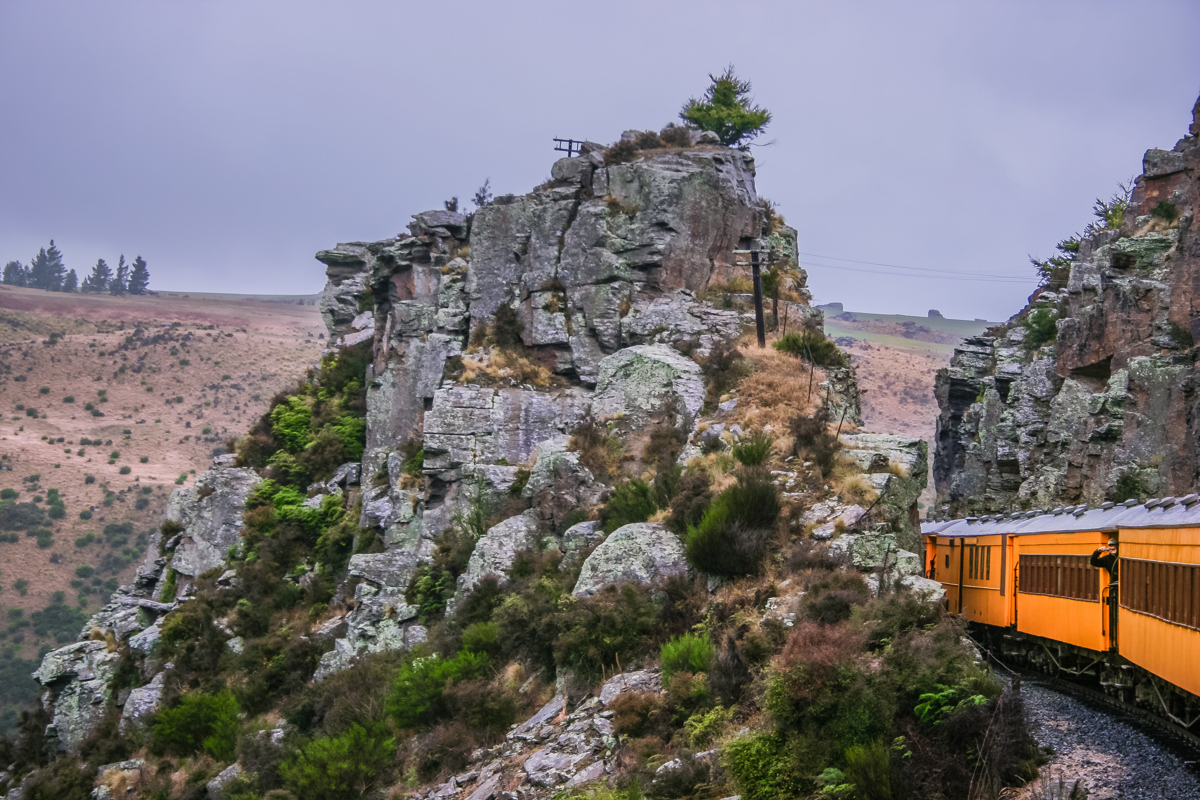
The section of railway line, now the rail trail, between Middlemarch and Clyde was built between 1893 to 1907. Engineering challenges in the rugged and isolated gorges were huge, overcome by the construction of countless viaducts and tunnels.
Gold exploration and pastoral farming were at the heart of Central Otago’s economy at the turn of the 19th century, and the railway provided the lifeblood that enabled the region to prosper.
Relic of the past
As roads into the area later developed, the importance of the railway line diminished. The last trains ran in 1990, making a series of farewell excursion trips before dismantling of the line a year later. The Department of Conservation took over the management of the land and in partnership with the Otago Central Rail Trail Trust developed it as one of Aotearoa New Zealand’s top attractions for cycle enthusiasts, horse riders and hikers alike.
The Otago Central Rail Trail is proudly managed by the Department of Conservation Te Papa Atawhai in partnership with the Otago Central Rail Trail Charitable Trust
What you will see and do on the rail trail
Allow three to four days to enjoy all of the spectacular scenery and warm rural hospitality that the Otago Central Rail Trail is famous for. There are lots of overnight stay options along the route, including farm-stays, hotels and cottages. Several entry points along the trail cater for visitors who prefer a shorter ride.
Wide open landscapes
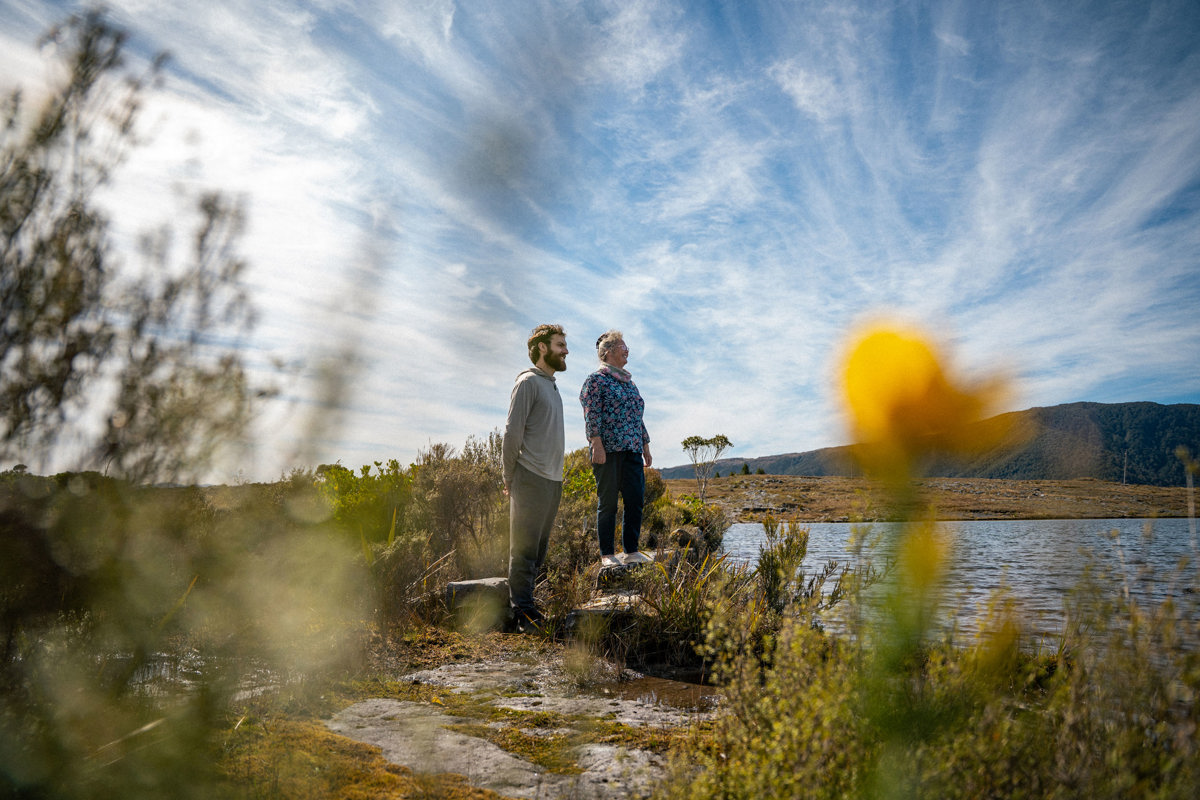
Enjoy the solace of big open skies and sheep farms that have been farmed by the same families for several generations.
History comes to life
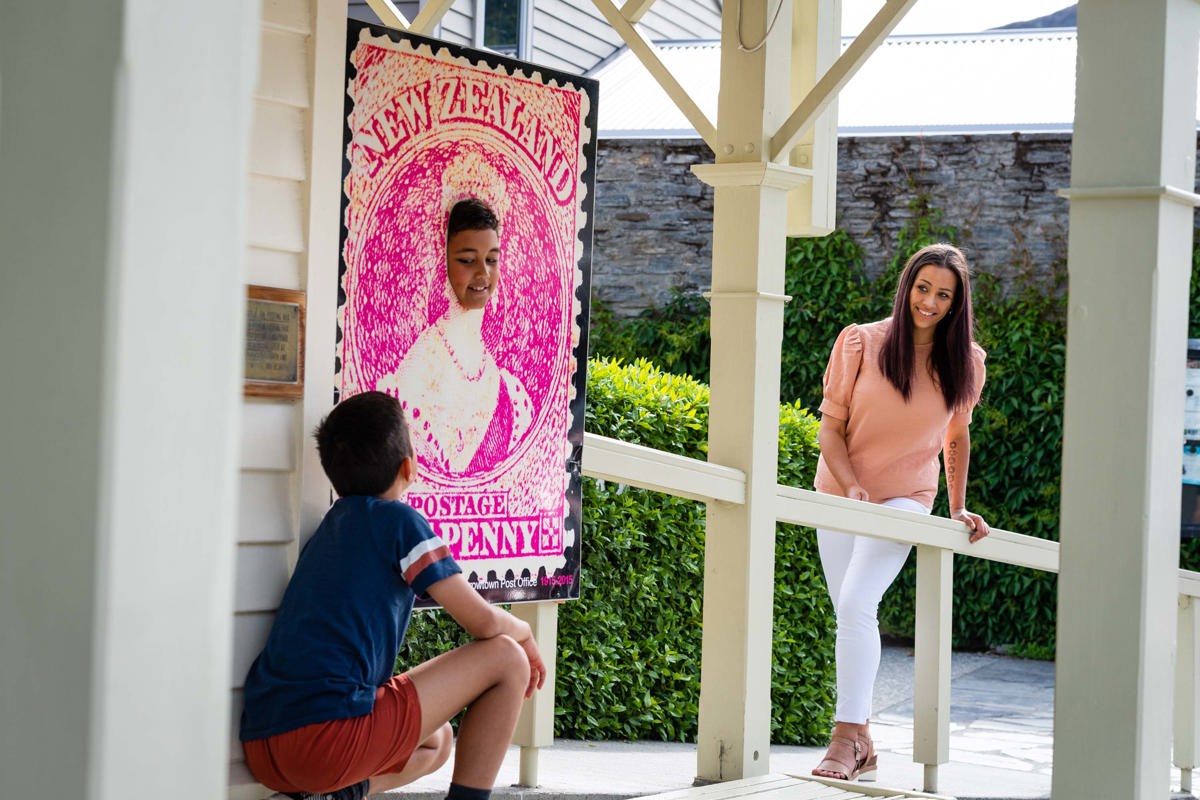
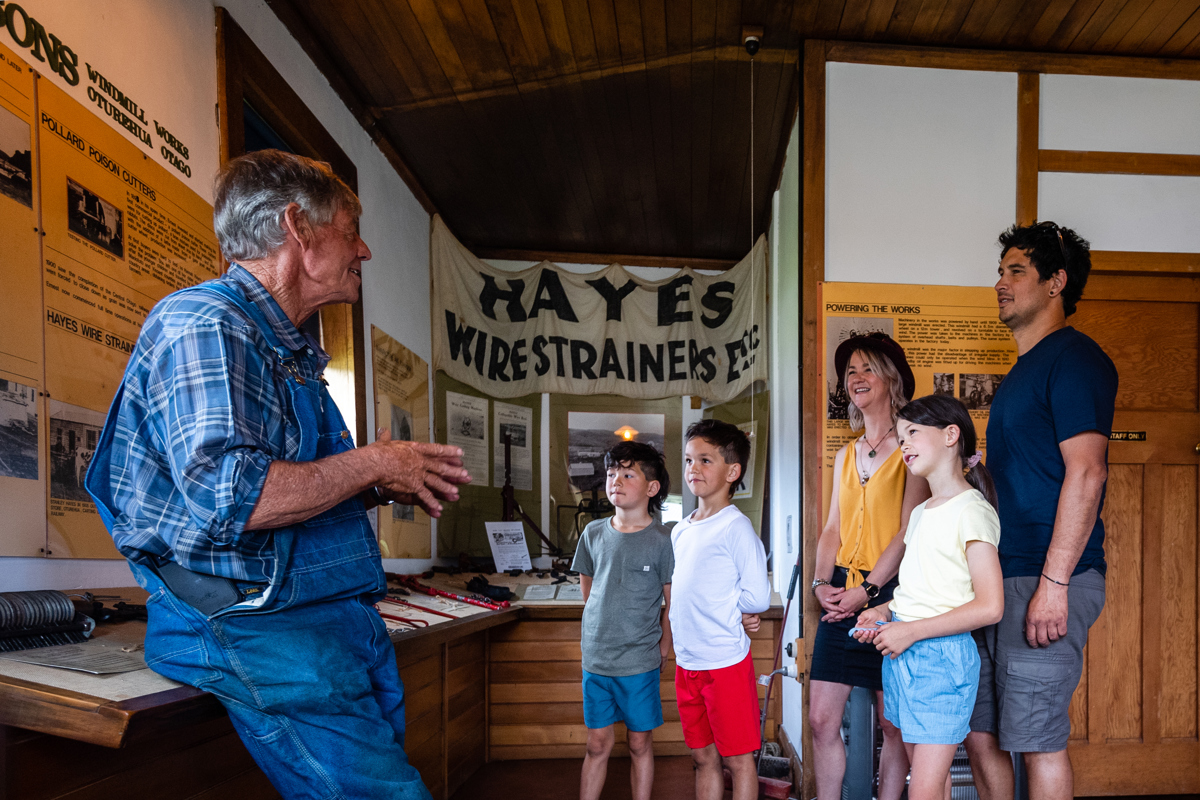
Spot sites of importance to Māori along the way, explore the historic highlights of the old railway line, cool off with a swim at the base of impressive viaducts and remember to take your torch to navigate your way through all three tunnels along the trail.
Country hospitality
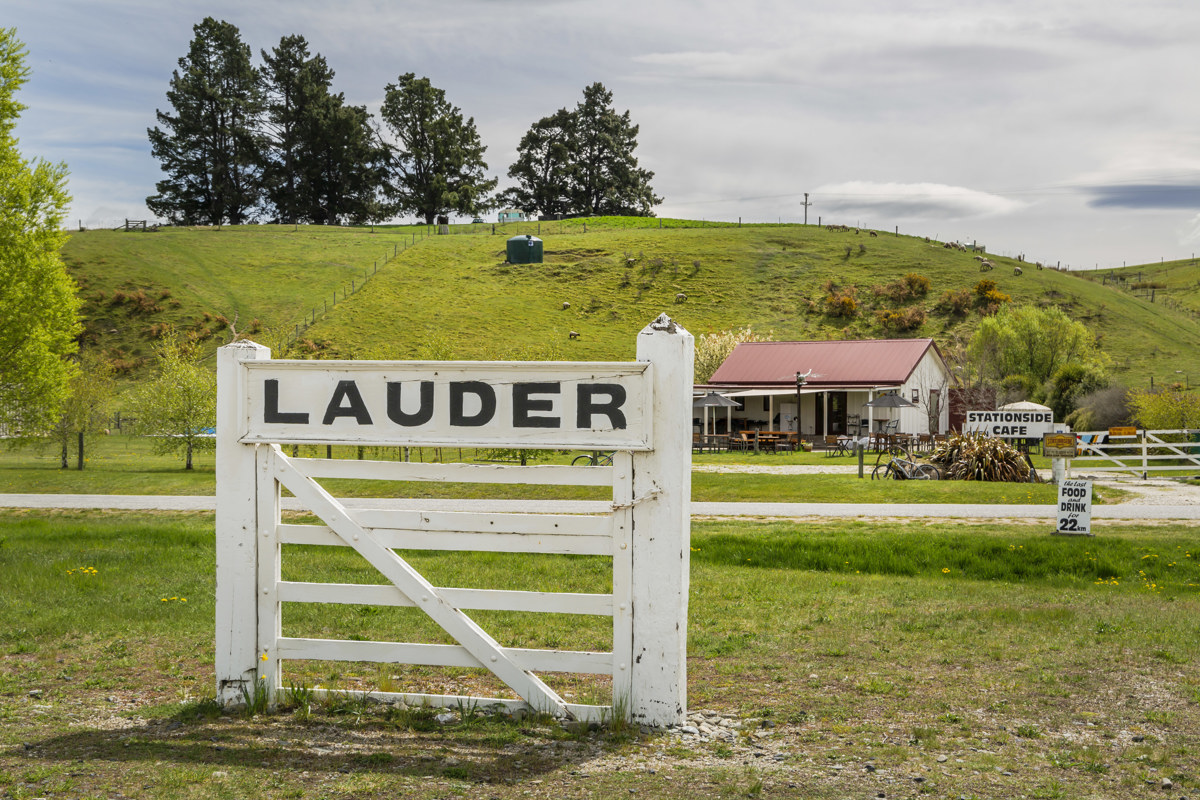
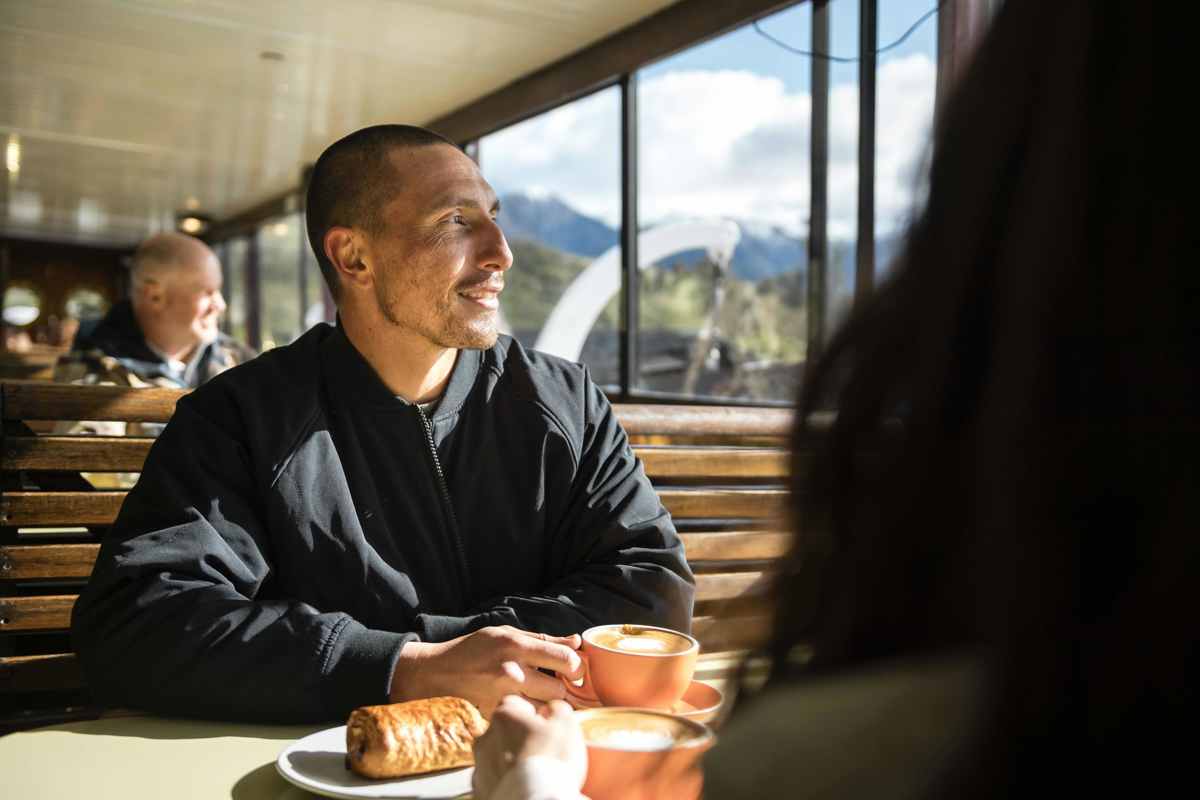
Take a break in any of the traditional country towns to sip a beer with locals at the pub, enjoy café home baking, or shop in a general store.
More information