Huriawa
Living history in an ancestral landscape
A strategic vantage for early Māori settlers and rich in natural resources, the Huriawa peninsula, and the surrounding landscapes are home to layer upon layer of treasured Kāi Tahu stories.
View on map
The significance of Huriawa
Located at the mouth of Te Awa o Waikouaiti (the Waikouaiti River), Huriawa holds a long history of Māori occupation and remains an actively treasured place of significance to local hapū Kāti Huirapa Rūnaka ki Puketeraki.
The settlement of Te Wera
In around 1740, the fortified settlement known as Te Pā a Te Wera was established at Huriawa by Te Wera, tipuna ariki a Kāi Tahu (a great chief of Kāi Tahu) and his people.
The siege of Te Pā a Te Wera
On one occasion, an ongoing feud between Kāi Tahu chiefs led to an attack on Te Pā a Te Wera. One force arrived from the north near Timaru led by the rangatira Taoka, and it is believed a second group led by the rangatira Moki arrived from Pukekura (Tairoa Head, near Ōtepoti Dunedin). These famous words that Te Wera uttered during this siege have been passed down through the generations:
Te wero a Taoka, Taoka’s threat
“Me whakatiki koutou ki te kai!”
“We will starve you out!”
Te whakautu a Te Wera, Te Wera’s response
“E kore ai, e kore au e mate i te kai! E kore mā te matua whakatakoto ki Te Kutu o Toretore, e kore e taea! Engari mā te matua mate wai, ka mate au!”
“Not like that, we will never die of hunger! Nor will we be conquered by your forces gathered outside the gate; you will never succeed! It is only by the power of thirst that we may be overcome!”
Te Wera prevails
Against all odds, Te Wera and his people stood firm. Their preparation, the strength of the pā fortifications and the presence of a concealed freshwater spring Te Punawai a Te Wera, (the spring of Te Wera) kept them safe, secure, hydrated and nourished. This siege of Te Pā a Te Wera is just one chapter in what became known as the ‘Otago feud’.
Whaling station established
In 1837, soon after the arrival of the first Europeans to Old Waikouaiti (Karitāne), Sydney merchants Long, Wright and Richards established a whaling station on Huriawa. During this period, whalers’ huts were scattered across the peninsula and a lookout was situated high on the summit. The challenging task of catching and processing a whale required many long days of demanding labour thus providing jobs for locals and attracting new people to the region, making the area an important site of cross-cultural contact. However, within a decade, the tohorā (Southern right whale) population was severely depleted, leading to the demise of the whaling industry around Waikouaiti.
The first mission station
The Wesleyan mission, the first mission station of any denomination in the South Island was set up near Huriawa in 1840 by Reverend James Watkin. The first Christian sermon in Otago was given here by Watkin on the 17 May, 1840. Colonisation led to Huriawa being surveyed off for residential development and Crown reserve land.
The return of land to Ngāi Tahu
The reserve lands were returned to Te Rūnanga o Ngāi Tahu under section 142 of the Ngāi Tahu Claims Settlement Act 1998 and are now jointly managed by Te Rūnanga o Ngāi Tahu and the Department of Conservation Te Papa Atawhai under a Protected Private Land agreement.
A note on this text
This history was generously shared by Kāti Huirapa Rūnaka ki Puketeraki, who note that isolated stories about individual places cannot illustrate the depth of cultural significance associated with treasured ancestral places like Huriawa and its surrounds. Layers of storytelling are woven into the landscapes of this region and provide a basis for identity, belonging and practice. These stories provide an opportunity to step back in time and discover how the natural abundance of this area impacted people, ecosystems, wildlife and the historic path of Huriawa.
Huriawa is proudly cared for in partnership by Kāti Huirapa Rūnaka ki Puketeraki, Te Rūnanga o Ngāi Tahu and The Department of Conservation Te Papa Atawhai.
What you can see and do in Huriawa
There are a number of ways to experience Huriawa and hear the stories of this special place and its people, with something for every visitor. Guided and self-guided tours at Huriawa are perfect for families and groups of all sizes, including school groups.
Huriawa Pā Walk
The self-guided Huriawa Pā Walk (a 2.4km loop track) around the peninsula provides spectacular views, historical information and even blow holes where the incoming tide is forced up through the rocks.
Book a tour
To hear the stories first-hand from mana whenua (the people of the land), book a guided tour with Karitāne Māori Tours, owned and operated by Kāti Huirapa Rūnaka ki Puketeraki.
Along with the pā experience and waka journey described below, Karitāne Māori Tours also offers fully customised cultural experiences for all ages by arrangement.
Māori Pā Experience
Enjoy a personalised guided walk around the peninsula, featuring stunning cliff-top views. The knowledgeable guides entertain and inform with the vibrant history and stories of the pā. Kāi Tahu guides share their close connection to land and their ancestors. Learn about the rangatira Te Wera, the legendary siege, and see the site of the old Waikouaiti Whaling Station and Tavern.
Māori Waka Journey
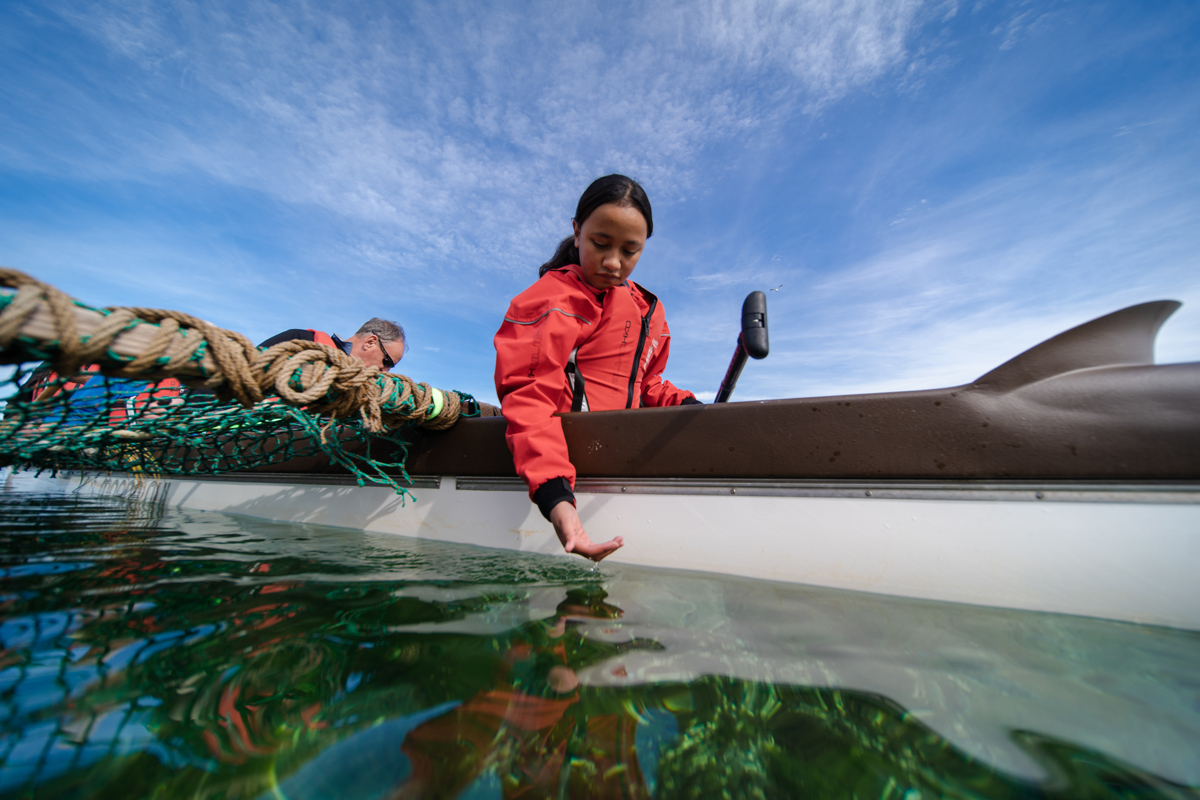
Deepen your connection to Māori culture and the natural environment as you voyage across the enchanting Waikouaiti River in a modern waka. In this two-hour guided journey, you will be immersed in the customs, stories and traditions of the past and experience how people traversed the oceans to discover and call Aotearoa home.
Paddle upriver, then spend some time on Ohinepouwera (the Spit), where a 200-year planting plan is underway to replace exotic species with native plants. As part of the coastal restoration programme, you'll transport and plant native trees as you make your way through native bush to a hidden white sand beach. Here you’ll get to explore the coastline by foot before paddling across the estuary.
More information