
Te Pahi
Te Pahi was a Māori leader who traded with Pākehā for the benefit of his people.
Te Pahi - a chief of mana and influence in north-western Bay of Islands
By 1800 Te Pahi was one of the senior chiefs of the north-western Bay of Islands. He was the son of Wharerau, a descendant of the ancient ancestral Ngāti Awa, the original people of the area, as well as of their Ngāpuhi conquerors. This whakapapa gave him great mana over the land and its people. He was related to Ngāti Rēhia, and probably to Te Hikutū and Ngāti Rua.
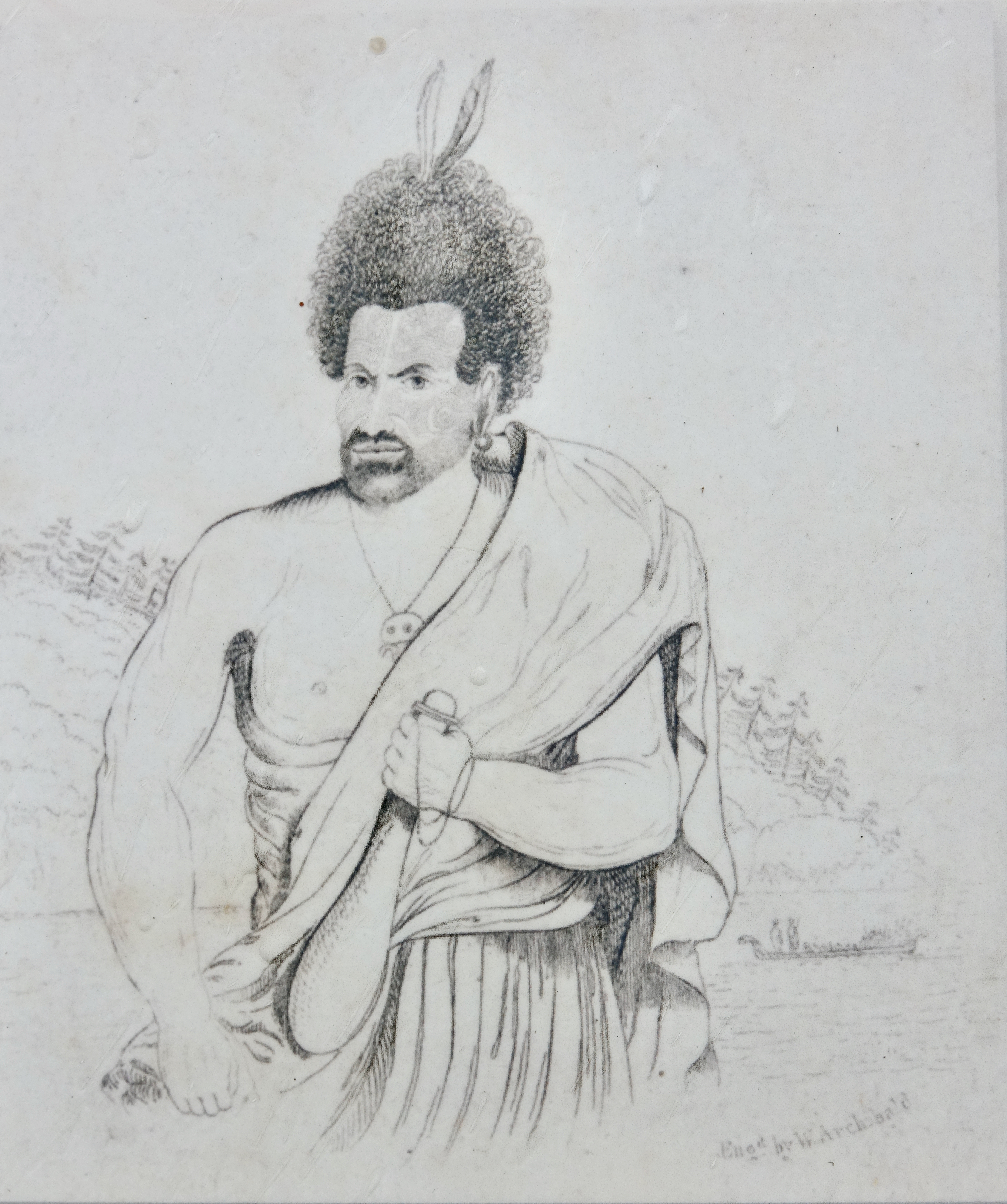
A foundation for Rangihoua Christian Mission
Te Pahi laid a foundation for the bridge between Māori and Pākehā that made the first planned European settlement, Rangihoua Christian mission, possible.
In the early 1800s, increasing numbers of European ships were visiting the Bay. Te Pahi saw trade with them as a way to give his people advantage over their rivals. He offered ships reliable supplies of fresh food (mainly potatoes, probably pork too) and access to fresh water and timber in exchange for sought-after European items like metal tools and firearms.
New South Wales Governor Philip King heard about Te Pahi. He saw the support of an influential chief as vital to boost the whaling business operating around New Zealand. He decided to encourage Te Pahi as a trading partner and sent him gifts to reward his assistance.
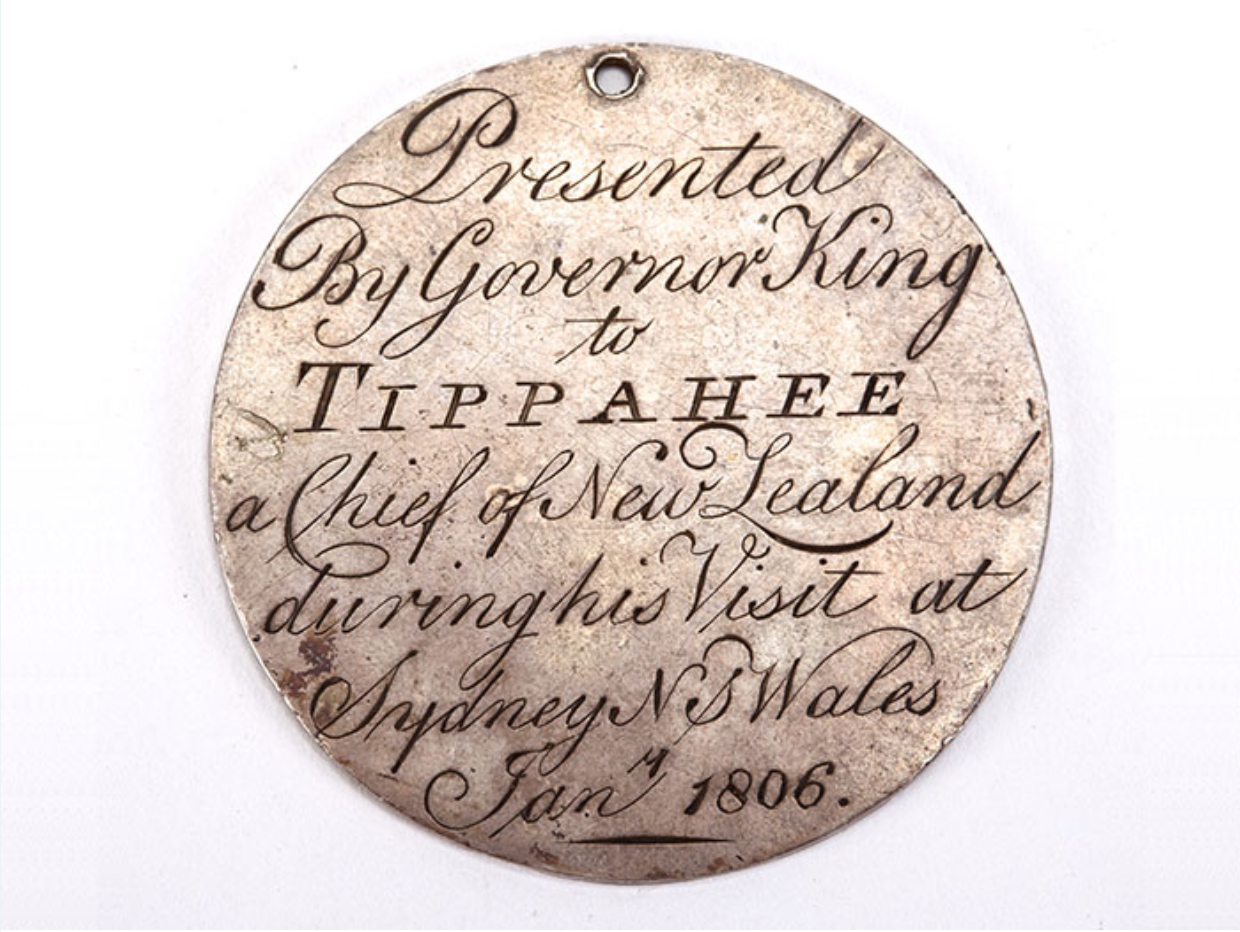
Te Pahi visits Sydney
In 1805 Te Pahi in turn decided to visit this important Pākehā chief in Sydney. Governor King treated him like a dignitary and hosted him at Government House for several weeks. Te Pahi made a big impression on the Governor and his circle of colleagues and friends. Among them was the Reverend Samuel Marsden, the colony’s chaplain, who was especially excited by his debates with Te Pahi about Christianity.
Te Pahi returned home laden with gifts, including a prefabricated brick house, from his hosts and new friends. This gave a clear signal to his Bay of Islands rivals of his special relationship with Pākehā. He and his people continued building their trading operations.
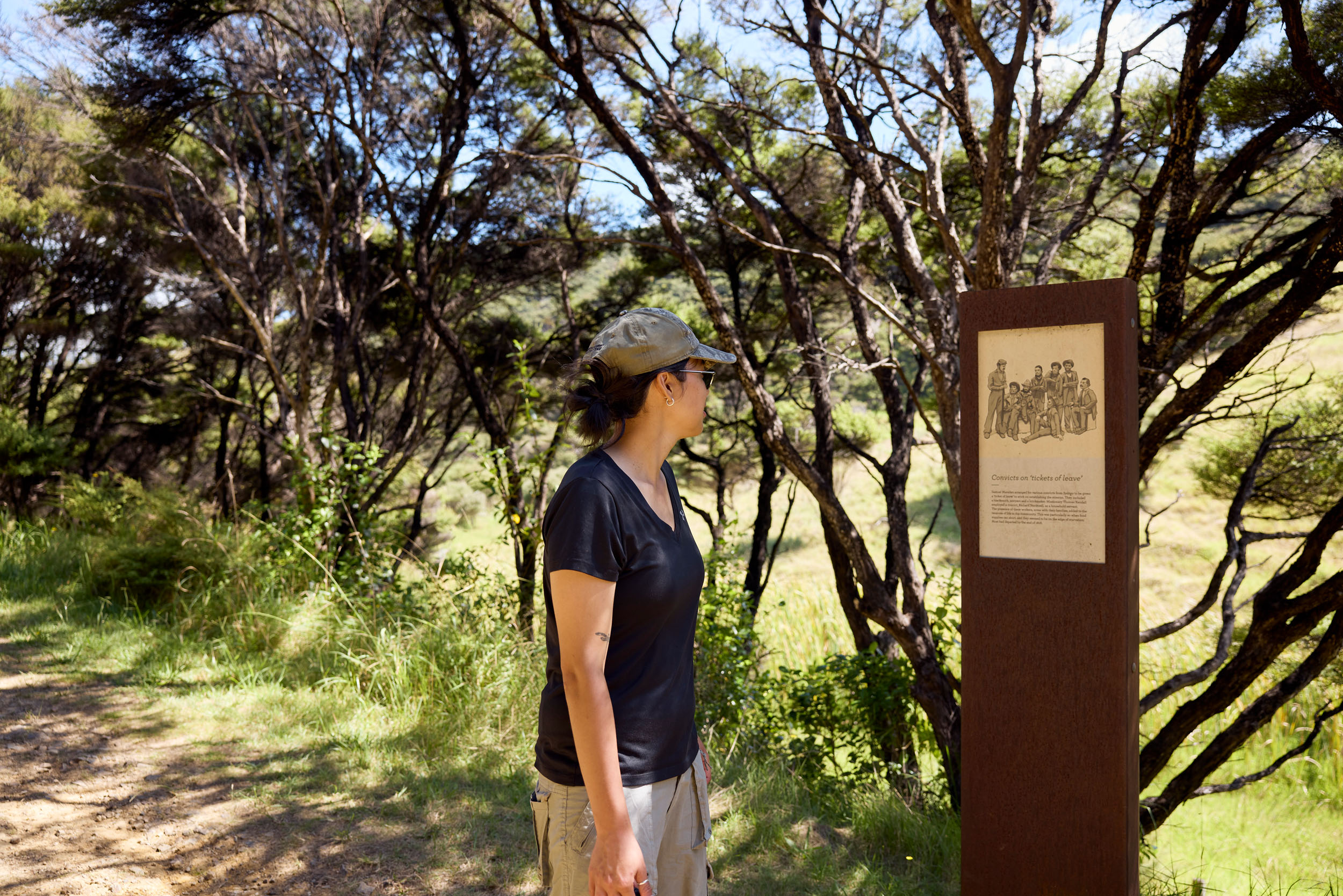
At the same time, Samuel Marsden started planning in detail a Christian mission to New Zealand, to operate under the protection of Te Pahi. On December 22 1814, Marsden and three missionary families stepped ashore at Oihi and established New Zealand’s first missionary station, located adjacent to Rangihoua Pā. Ironically Te Pahi never saw this happen, as he died in 1810.


