
Reefton women: making a living in goldmining times
Julia Bradshaw’s fascinating new book, ‘Digging Deep: Women on New Zealand’s goldfields’, brings to light the extraordinary stories of how early women of Reefton made a living in challenging circumstances.
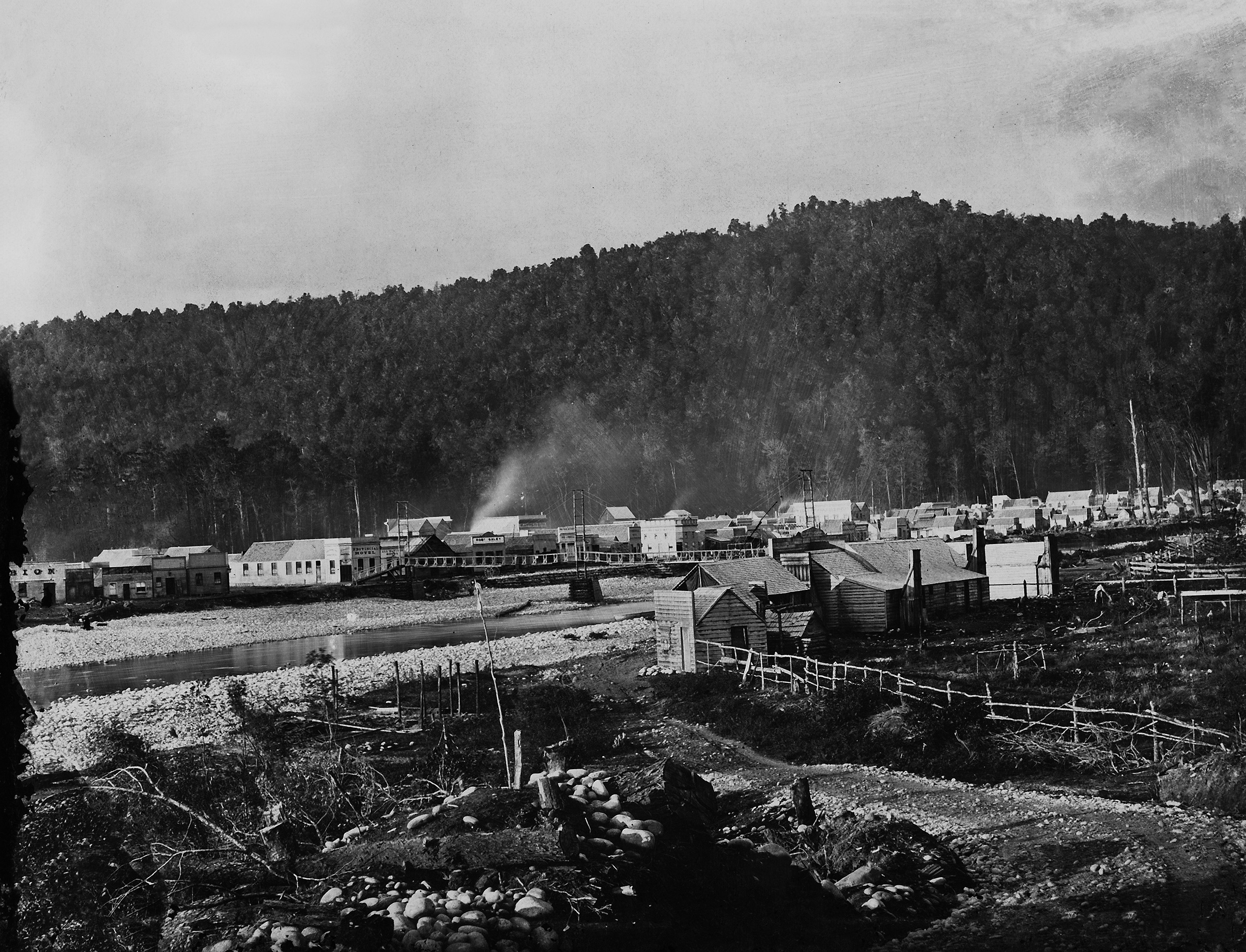
Reefton, now a Tohu Whenua site, was established around 1870 to service the largest gold-bearing quartz reefs in Te Waipounamu the South Island. Bradshaw’s research reveals surprising tales of women in these early days of European goldmining and introduces us to a host of characters: poets, health workers, miners and entrepreneurs.
Medical workers
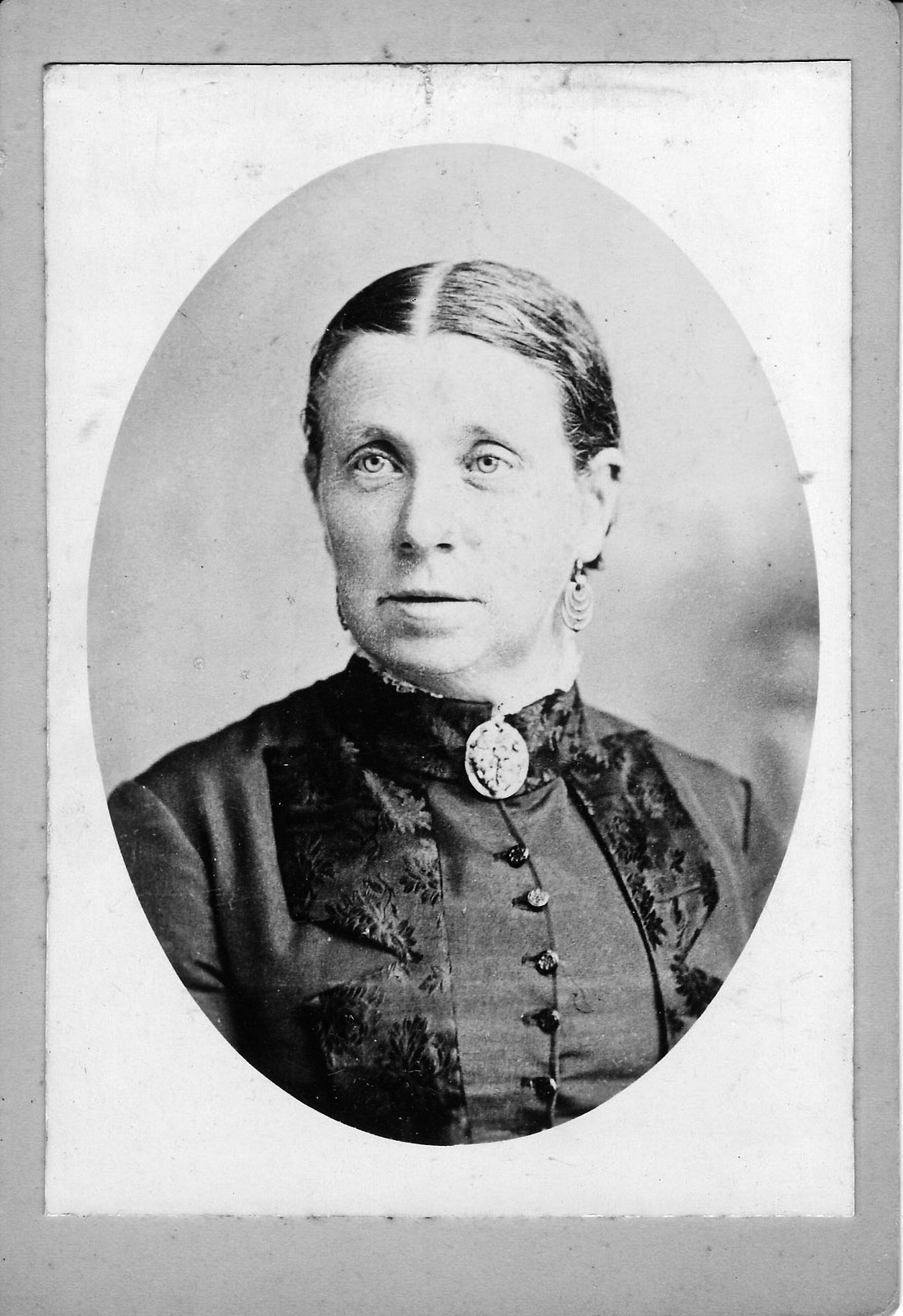
Contrary to common belief, women were in Reefton from its earliest days as a goldmining hub. Mary Oxley gave birth to the first child born in Reefton on 22 June 1871. Gold mining, frontier life, and giving birth all held their own dangers and often women stepped in to help. Jane Preshaw worked at Reefton Hospital from the mid-1870s as a matron, while Eliza Cato, who travelled to the Reefton gold rush with her children and third husband, was remembered for her skill and devotion in medical matters long before there was any doctor in Reefton.
Newspaper entrepreneurs
Deserted wife Sarah Vine Hall started the ‘Reefton Guardian’ ‘out of her own hard earnings’ to set her sons up in business. The first issue appeared on 16 August 1888, with James Wilkie as editor. Mary Agnes Theresa Potts was another female newspaper owner. She became the proprietor of the ‘Inangahua Times’ after her husband’s sudden death in in 1891. Three years later, in 1894, she purchased Sarah Hall’s business and amalgamated it with her own paper.
Hotelier and poet
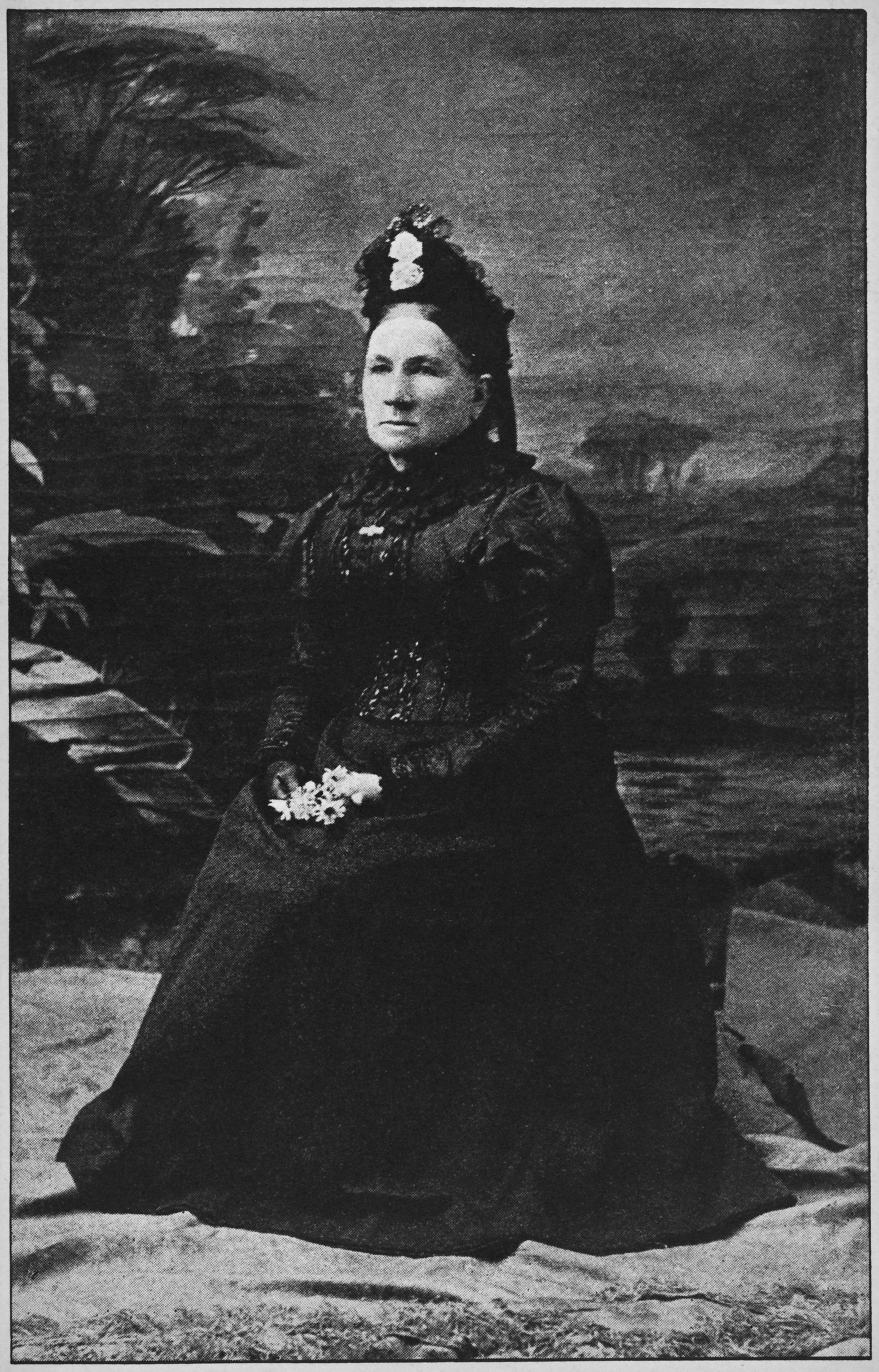
Elizabeth Colville managed a boarding house at the Ajax Mine near Reefton for four years, while living apart from her husband. When she left Reefton in 1879, she deposited her £200 profits in a Wellington bank under the name of Elizabeth Douglas to hide the money from her husband. Unfortunately, John Colville, an engineer with a drinking problem, followed her to Wellington, shamelessly admitting he wanted to get hold of her money and ‘have a big spree’. Elizabeth Colville successfully applied for a protection order in January 1882 on the grounds that her husband was frequently drunk for a week at a time and beat her. She earned enough to support her two daughters and in later years became a published poet.
Gold miner and gin afficionado
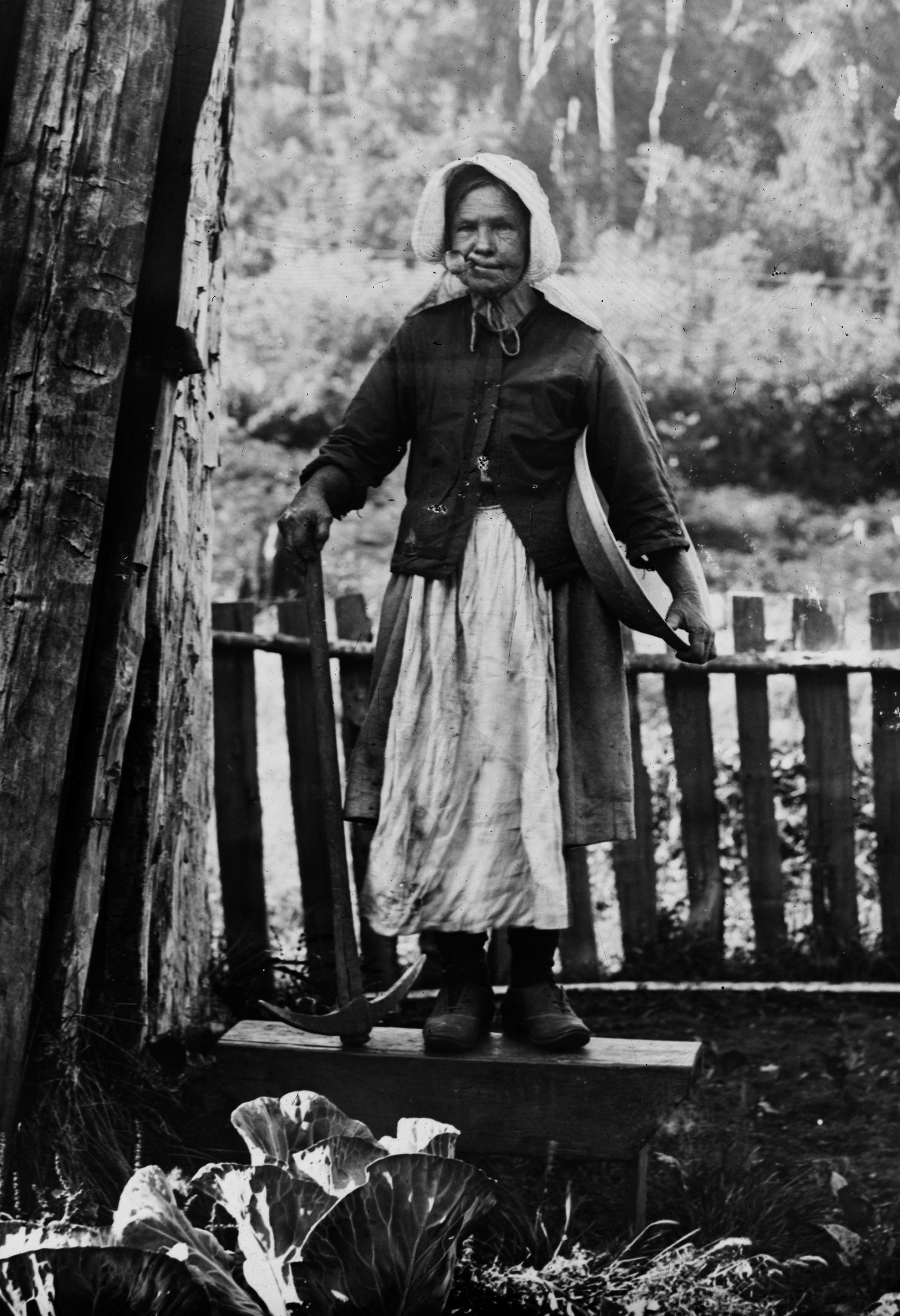
Reefton’s most famous working woman is Bridget Goodwin, better known as Little Biddy. A tiny woman, described as four feet nothing in height, Biddy mined for gold in Bendigo, Wakamarina and Lyell, together with her fellow miners Jack and Bill. She retired to Reefton and began to find fame in the 1890s.
In an interview she recalled, ‘It was a hard rough life for a woman. I seen us working all day long up to our hips in water and in all sorts of weather but me and my mates stuck together, and we managed to make sufficient for our tucker, and something over… after buying tucker we knocked down the rest of the money in a long booze.”
Biddy’s fondness for a tipple is now remembered through the Little Biddy gin made at Reefton Distillery.
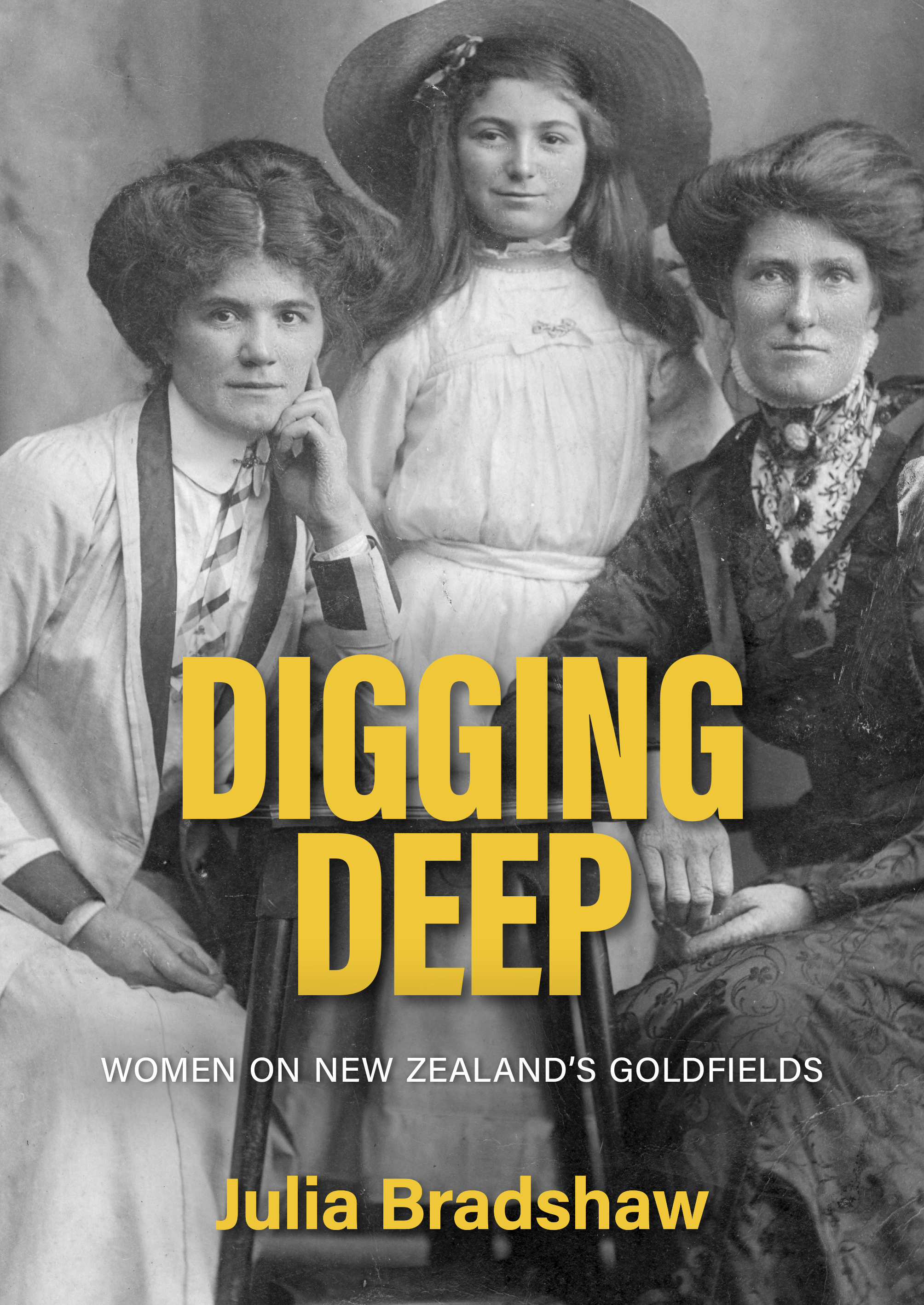
‘Digging Deep: Women on New Zealand’s goldfields’ by Julia Bradshaw is published by Canterbury University Press.
Learn more about Historic Reefton.


