
Kate Sheppard was ahead of her time
Six surprising things about Kate Sheppard
Visit Te Whare Waiutuutu Kate Sheppard House in Ilam, Ōtautahi Christchurch and you’ll discover some fascinating lifestyle choices made by one of Aotearoa New Zealand’s most famous heroines. Celebrated on the ten dollar note for her work for women’s suffrage, Sheppard also had strong personal beliefs and interests.
Artist
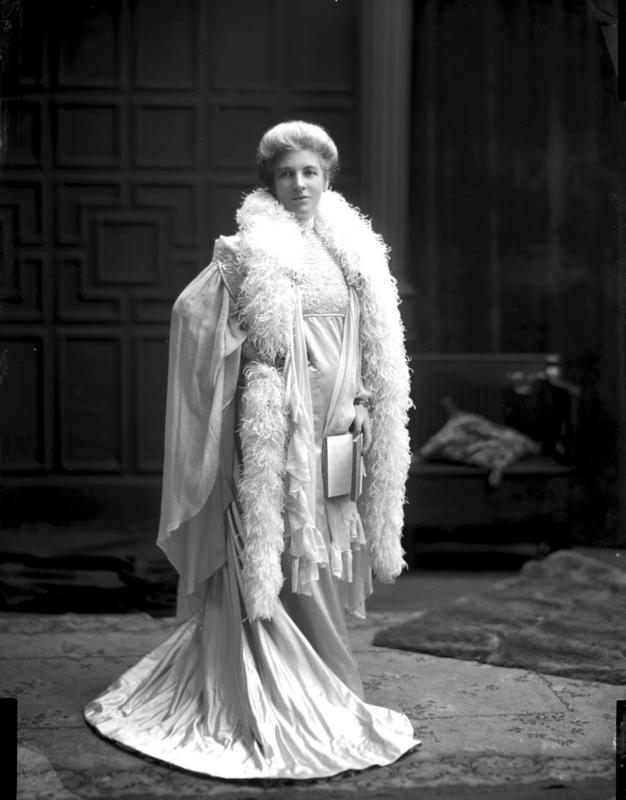
Sheppard was a middle-class woman who enjoyed a degree of social and economic privilege which she used to pursue interests and a life beyond her ‘domestic sphere’. In 1882, as a 35-year-old, with an 18-month-old son, she enrolled in art classes at the Canterbury College School of Art with her sister Marie Beath. Due to Victorian modesty, Sheppard and the other women were barred from life drawing classes. Her classmates included famed artists Samuel Hurst Seager and Margaret Stoddart.
Although none of Sheppard’s paintings survive, Kate Sheppard House has several watercolours on display which were painted by her niece, Kate Beath (daughter of Marie). They also have a watercolour set belonging to Beath, which may have been passed down to her by her aunt and namesake, Kate Sheppard.
Keen cyclist
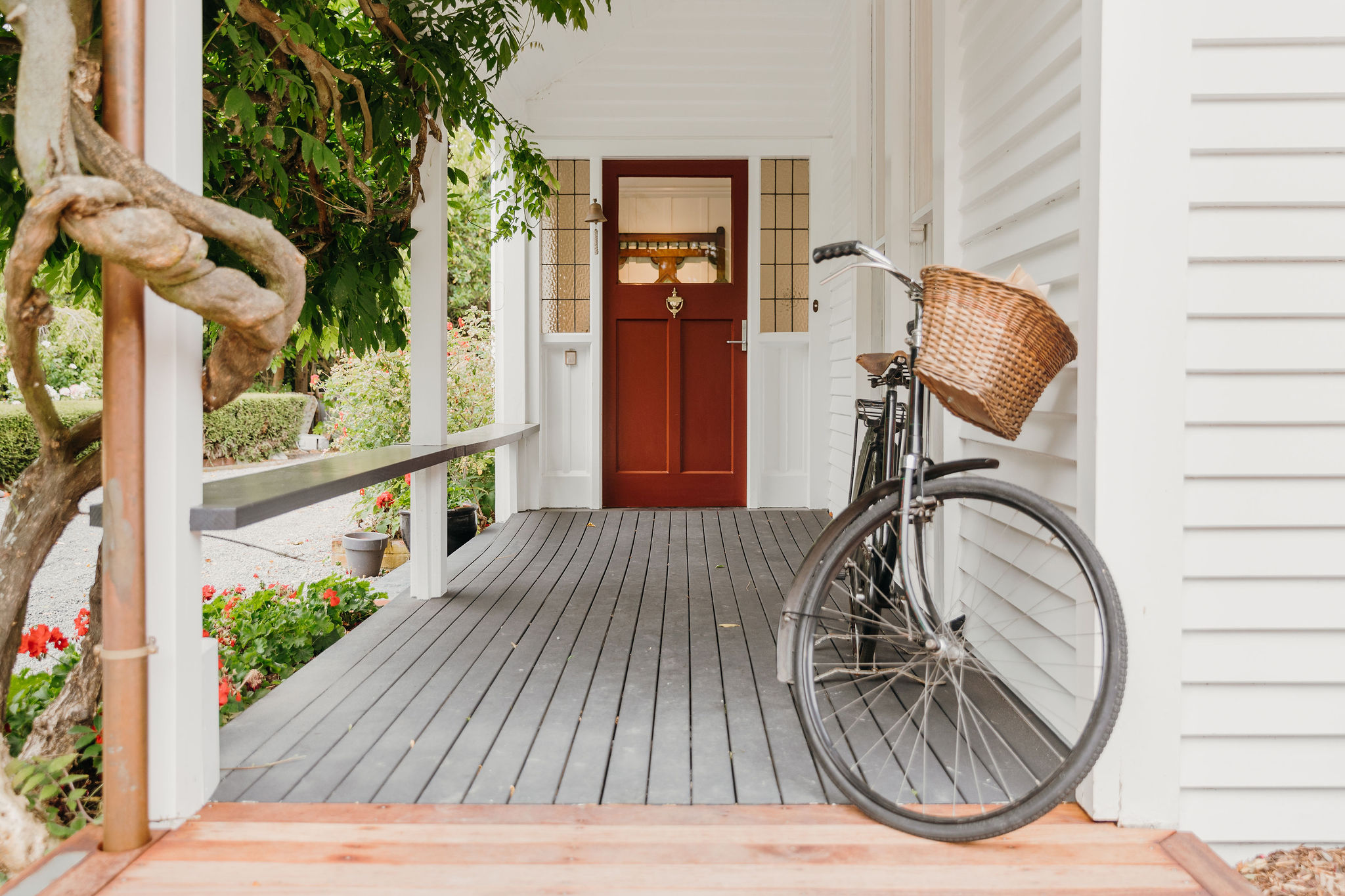
Sheppard and her sister Isabel were founding members of Christchurch’s Atalanta Cycling Club, the first women’s cycling club in Australasia, founded in 1892 to promote the recreational and social benefits of cycling for women. Sheppard owned at least two bikes, a Singer and a BSA. In July 1895, the cycling journal The New Zealand Wheelman noted ‘Mrs Sheppard is an enthusiastic cycliste and dress reformer and has been a subscriber to THE WHEELMAN from its first number’. For Sheppard, cycling offered freedom, independence and mobility at a time when women’s access to public life was expanding. It also provided a practical means of getting around Ōtautahi to her many activities.
Tea or coffee? Both!
Sheppard was a supporter of coffee houses and tea rooms, not as a caffeine addict, but because these hot drinks offered an alternative to alcohol. Kate was a key member of the The Women’s Christian Temperance Union (WCTU), which held abstinence from alcohol as one of its core principles. The group ran tea rooms at public events such as Agricultural and Pastoral Shows to provide an alternative to liquor stalls and promote their suffrage work.
The Christchurch Star reported in March 1890 that the WCTU planned to establish a “tea and coffee room” which would sell the more benign beverages “for a penny a cup” in Manchester Street. Once launched, these rooms provided a respectable, alcohol-free place for the women of the WCTU to meet and socialise, while also supporting the Union’s temperance and reform work. Today, Te Whare Waiututu Kate Sheppard House offers a high tea option as part of your visit.
Vegetarian
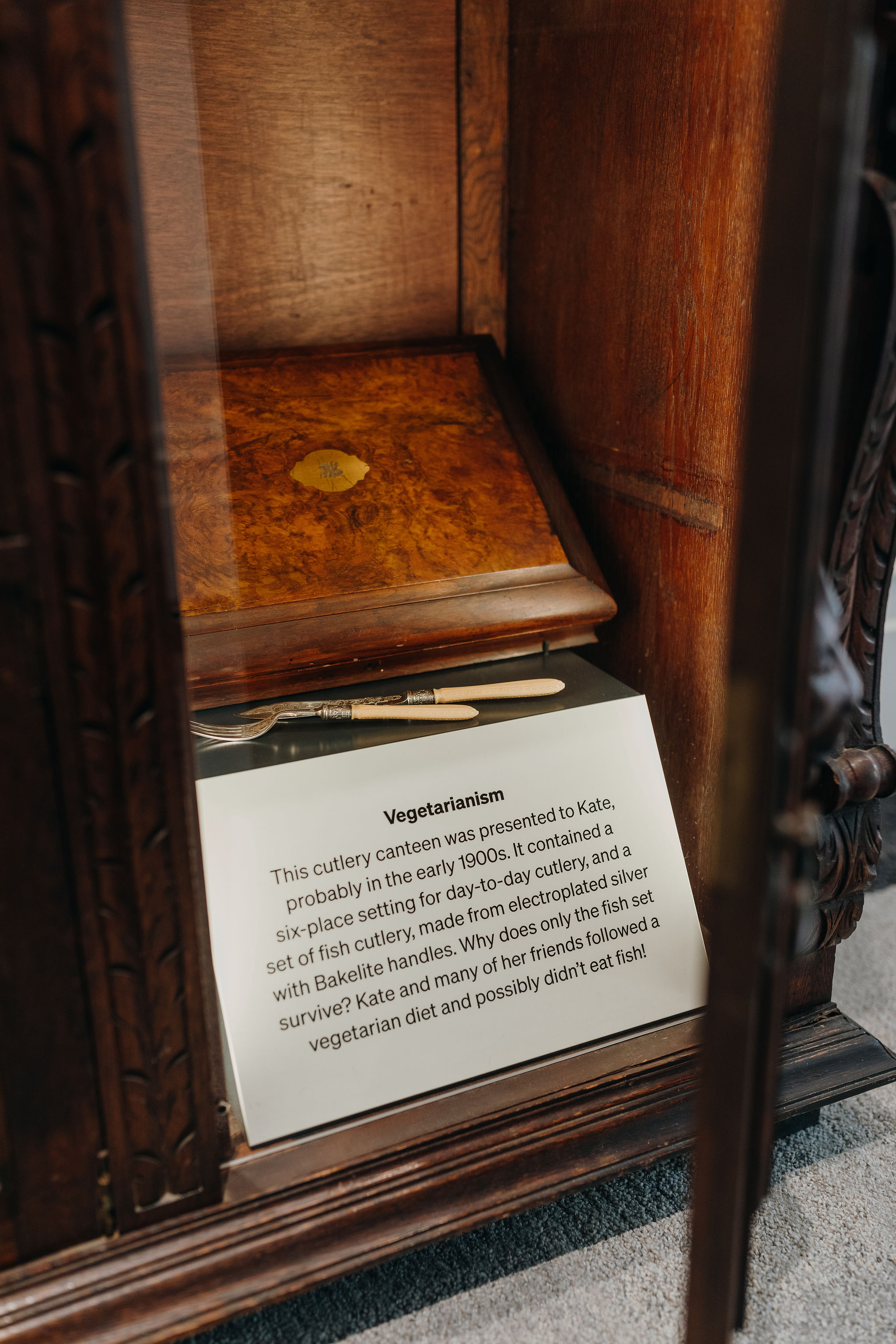
Kate Sheppard enjoyed a fully plant-based diet. Although we don’t have her own words on the subject, we can piece together clues as to why she might have made this choice. Many suffragists opposed eating meat as they felt killing animals for food was immoral, and because of their involvement with the Theosophy movement, which embraced vegetarianism as part of an agenda for social change. Some suffragists also believed that 'strong meat' might tempt people to take 'strong pungent drinks' and encourage alcoholism. And of course, a simpler diet cut down on food preparation and might provide women with spare time they could use for the suffrage campaign.
Style queen
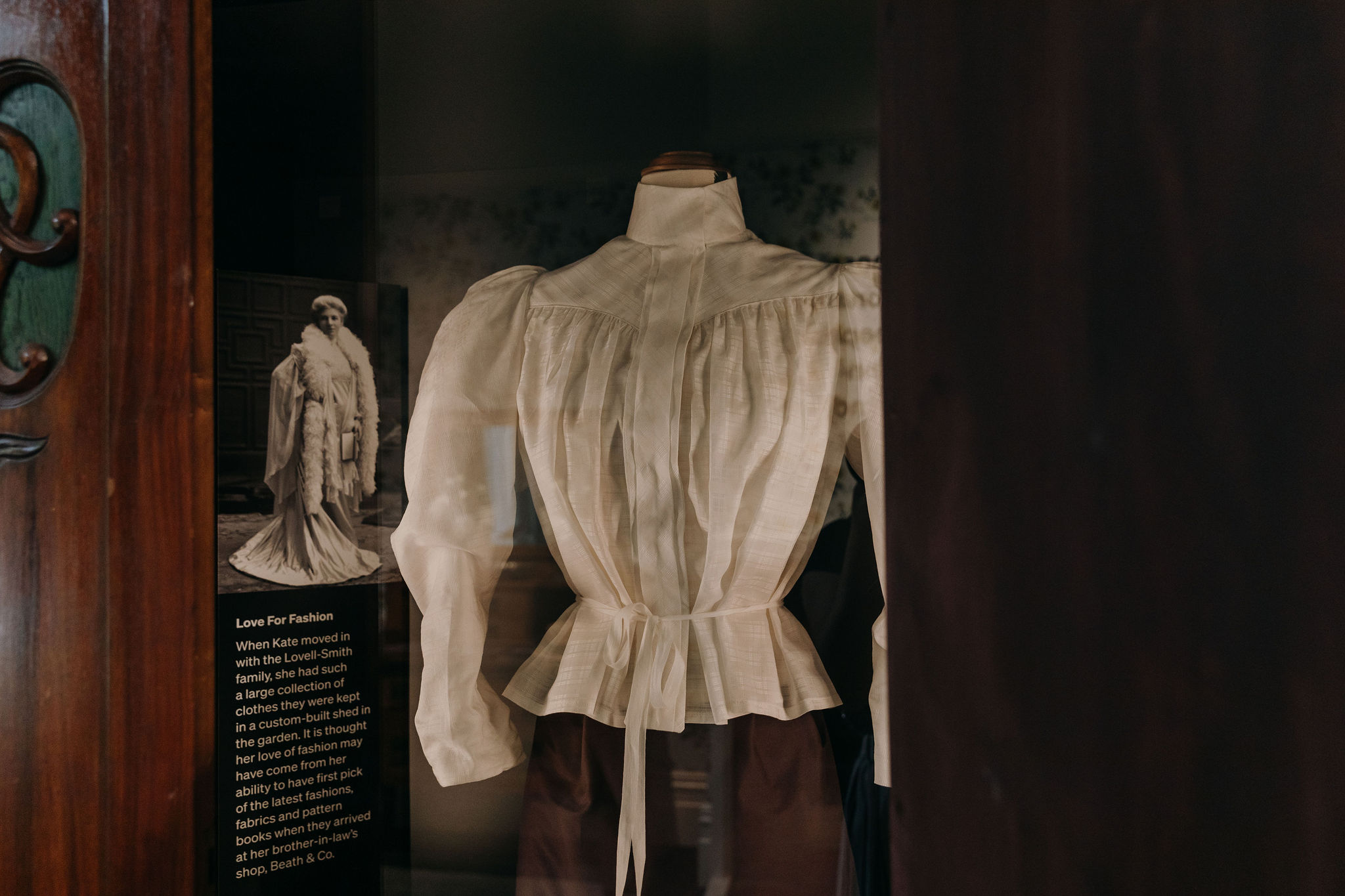
Sheppard was always elegantly dressed. Perhaps her love of style came from her ability to have the first pick of latest fashions, fabrics and pattern books when they arrived at her brother-in-law’s shop, Beath & Co.
Sheppard’s stylish appearance added to her status as a refined, charming lady with a worthwhile message to impart. Contemporaries described Sheppard as ‘this graceful, tastefully-attired woman, who possesses such rare tact as a hostess and places you so completely at your ease’. Sheppard understood the power of public image, as demonstrated in her glamorous 1905 photo portrait: she dazzled in a silk gown decorated with in-vogue rosettes, a high-necked shirt and feather boa.
Sheppard retained an interest in fashion later in life. When she moved in with the Lovell-Smith family she kept her large collection of clothes in a custom-built shed in their garden. At Kate Sheppard House you can see a carefully recreated shirtwaist, based on the style queen’s own wardrobe.
Animal appreciator
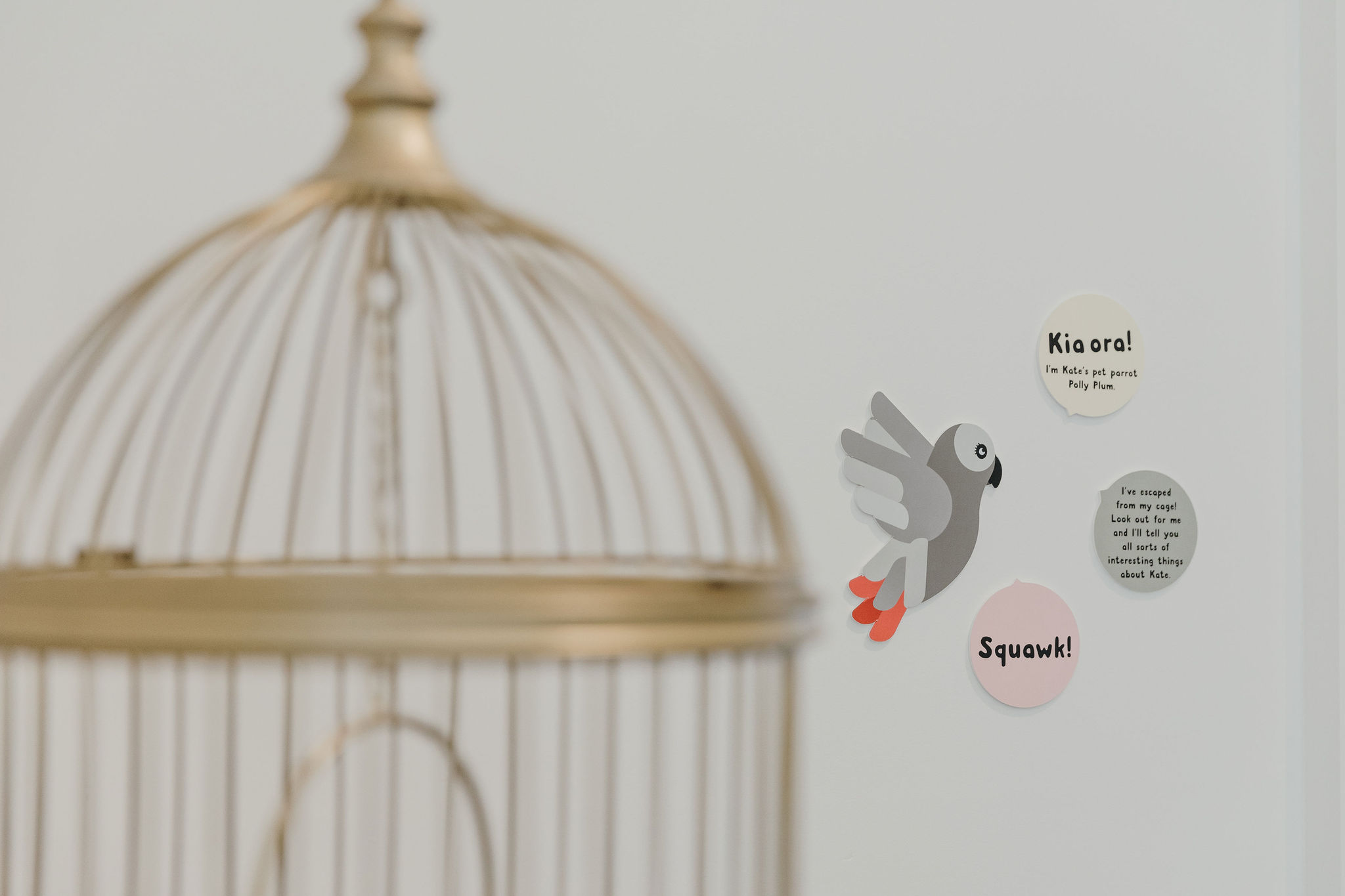
Sheppard lived in close proximity to animals, both as pets and livestock. The Sheppard home at Clyde Road employed a man for the horses and grounds. A ‘man’s room’ on the property appears to have been part of the stables. Their horses would have provided a form of transport by pulling gigs. It is likely the property also had other domestic animals such as a cow. Dairy cows supplied fresh milk for the household, and we know Sheppard drank milk – it is recorded she added salt to it for digestive benefits! ‘Spanish cream’ was one of Sheppard’s favourite desserts and she provided a recipe for this delicacy to the Congregational Church’s recipe fundraising effort. Sheppard also had an exotic pet parrot, grey with a red tail – she reported it missing from Clyde Road in 1901.
Learn more about Te Whare Waiutuutu Kate Sheppard House


