
Rongo Hongi: a remarkable wahine toa of the 1800s
Have you heard of Rongo Hongi? She was a remarkable woman.

Rongo Hongi: a woman of education, courage and strength
For a number of years Rongo lived with James and Charlotte Kemp, who were with the Church Missionary Society in Kerikeri. When Rongo's father got sick she nursed him until his death. She then attended the Mission School for Māori Girls at Kerikeri. Here she became literate in both English and Te Reo Māori. With her whakapapa and intelligence, Rongo was seen as equal to some men and superior to many: she was he wahine toa ia (a woman of courage and strength).
In March 1837, Rongo (then going by the Christian name Hariata Rongo) married Ngāpuhi warrior leader Hōne Heke in the Kerikeri Chapel. Hōne Heke soon after became famous for his stand against the British authorities.
With a good education from the missionaries, Rongo served as Hōne Heke's secretary and scribe. She was active throughout the treaty war of 1845, supporting her husband in the field and acting as a conduit between him and his enemy, the pro-British warrior Tāmati Wāka Nene. Some scholars believe there is evidence that some of the correspondence was written by Rongo.
After Hōne Heke died from tuberculosis in 1850, Rongo married Arama Karaka Pī, a chief from Waimā in the Hokianga. Rongo was comfortable in both Māori and Pākehā worlds, adopting Pākehā practices as it suited her while remaining firmly in her Te Ao Māori world, where women held high status positions. She died in 1894, aged around 79.
Rongo's slate at Kemp House
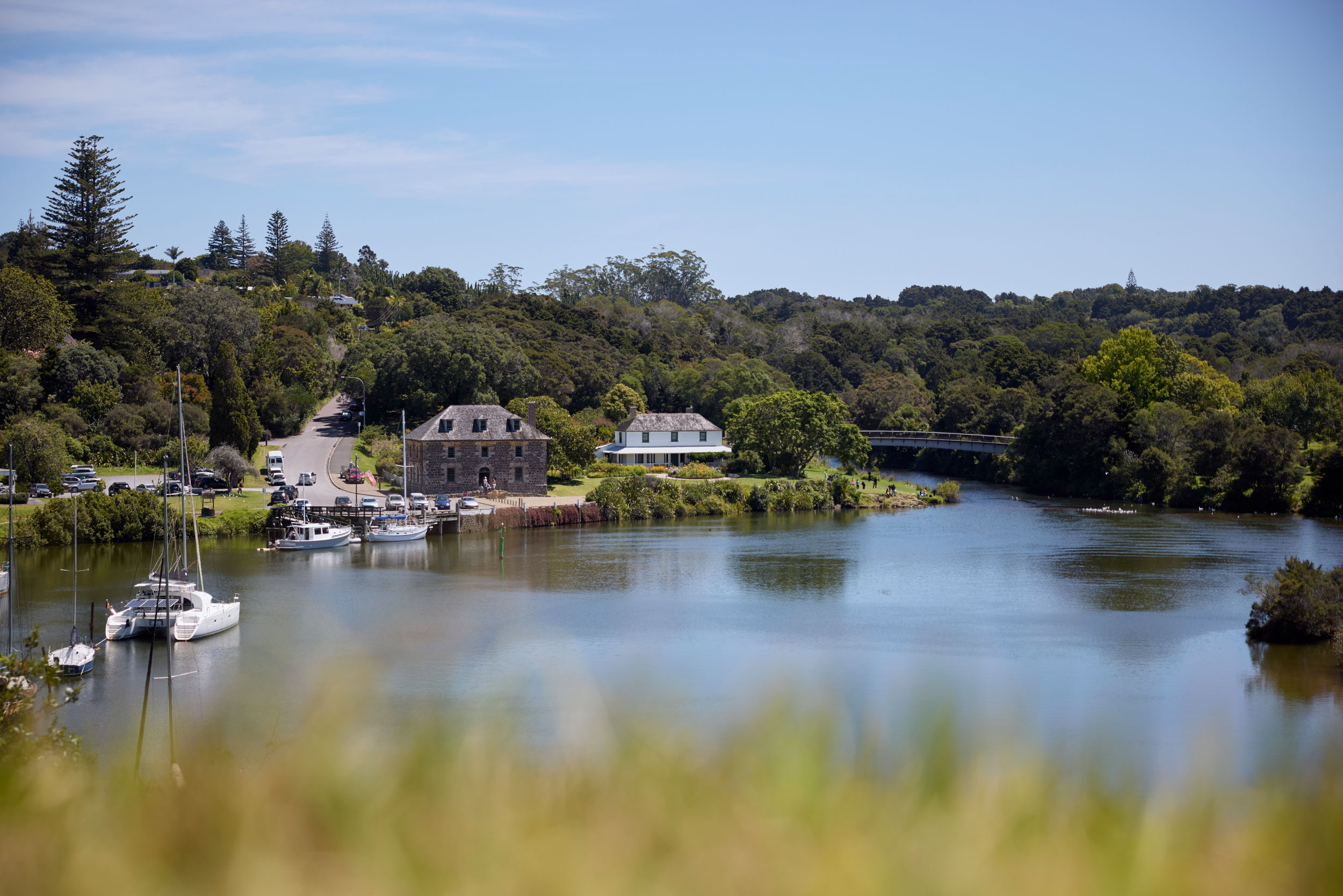
Kemp House, where Rongo once lived, is now our country's oldest standing building, and part of Kororipo Heritage Park. The Kemp House collection includes a remarkable artefact connected to Rongo.
In June 2000, Fergus Clunie, an advisor for Historic Places Trust (now Heritage New Zealand Pouhere Taonga), was investigating Kemp House's support system. As he lifted the pantry floorboards he spotted something extraordinary - two writing slates. The two slates were small, just 21cm by 15 cm. Carved into one was as waiata whakautu (a song of reply to an accusation). On another was a name and age.
"Na Rongo Hongi, 16"
This slate is an evocative connection to Rongo - evidence of her learning and discovery of the strengths and limits of the written word.
Read more about Rongo Hongi and the discovery of the slates at Kemp House on the Visit Heritage website.


