The first frozen meat shipment from Totara Estate
In 1882, a revolutionary new system of refrigerating meat for export was introduced, which would go on to transform Aotearoa New Zealand's agricultural economy.
A grand gamble that paid off
In January and February 1882, more than 4300 sheep and almost 600 lambs were slaughtered at Totara Estate, a large farm of 15,000 acres located just south of Ōamaru. They were to be sent by train to Port Chalmers and packed into a specially built, as-yet-untested refrigerated sailing ship bound for the United Kingdom. The 98-day voyage went well and the meat sold in London’s Smithfield Market in a fortnight for twice the price it would have received in Aotearoa New Zealand. The grand gamble paid off; it was the start of a billion-dollar meat export trade and signalled a new era of economic prosperity for New Zealand.
A chance meeting leads to an extraordinary partnership
There were three key men who spearheaded this initiative: James Morton, William Davidson and Thomas Brydone. Their grit, willingness to risk all, superb organisational skills and vision changed Aotearoa New Zealand's export economy forever.
The roots of this daring venture lay in a chance encounter between two movers and shakers on a train travelling between Edinburgh and Glasgow in the early 1860s. William Davidson's father, David Davidson – who served as Treasurer of the Bank of Scotland – shared a carriage with entrepreneur James Morton, the same man who would later employ Thomas Brydone. David told Morton that his son, William, was looking for overseas adventure – possibly in Argentina. Morton replied that William should try New Zealand and offered him a job there. William Davidson became the manager of the New Zealand runs of the colossal Scottish-owned New Zealand and Australia Land Company, whose assets included Totara Estate.
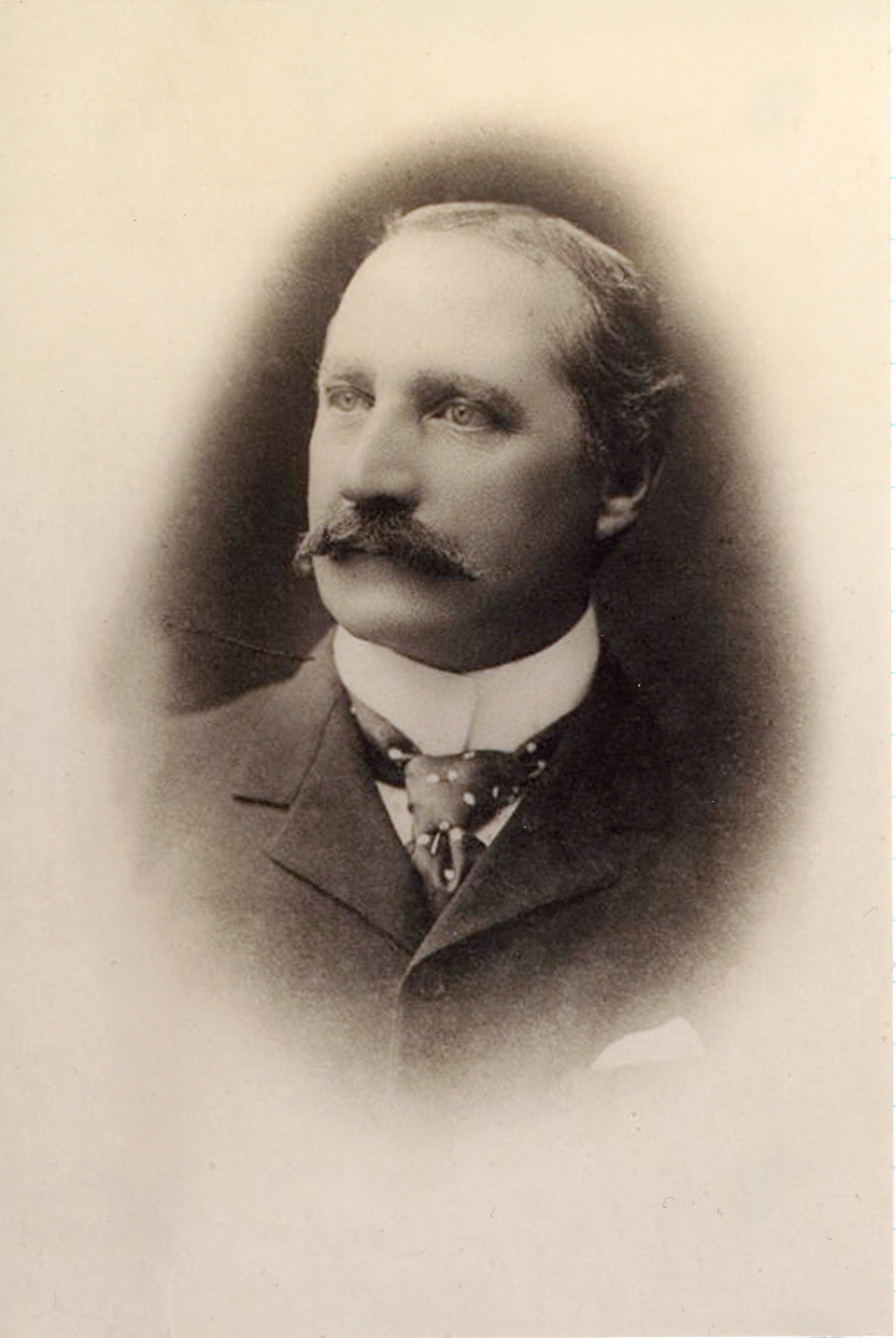
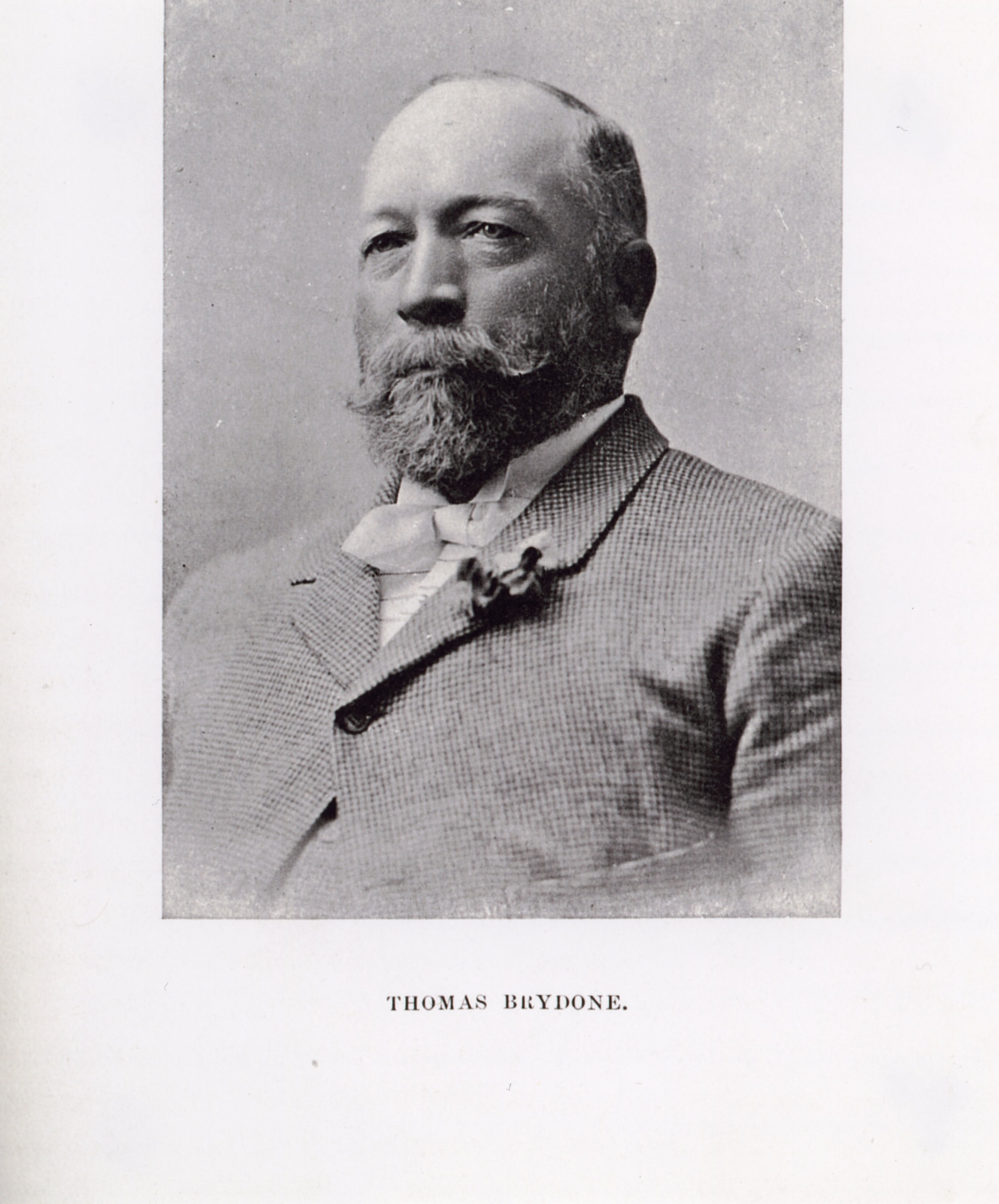
Thomas Brydone, the son of a Scottish shepherd, had emigrated to New Zealand after being spotted by James Morton, the manager and principal shareholder of the company. Brydone’s evident competence at managing estates in Scotland impressed Morton who offered him the role of superintendent of their New Zealand land holdings.
Brydone’s extensive agricultural experience, hands-on management and command of logistics, together with his rock-steady reliability would be crucial factors in the success of the first export meat shipment. These attributes combined with the vision, drive and financial acumen of fellow Scot William Davidson set in motion events that would change agriculture in New Zealand forever.
The collapse of wool prices and the need for new revenue
During the 1860s, New Zealand was in the midst of a wool boom – and the various landholdings owned by the New Zealand Australian Land Company contributed to the wealth that was being generated off the sheep’s back. Wool prices were such that a sheep’s value was regarded solely for its fleece, not its meat. In fact, all around the country, sheep were shorn then killed and disposed off, often thrown off cliffs.
The economic boom didn’t last, with wool prices falling in the 1870s and 80s. This, combined with the need to profitably sell surplus sheep, made the New Zealand Australian Land Company increasingly vulnerable. News in 1880 of a successful shipment of frozen meat arriving in London from Australia immediately captured Davidson’s attention.
The frozen meat opportunity for Aotearoa New Zealand
Forty tonnes of frozen meat had arrived on board the SS Strathleven in perfect condition, and within days the ever-enquiring Davidson – who had been recalled to Edinburgh in 1879 – wrote to the shipping company seeking to learn more. Just over a week after the arrival of the shipment, Davidson reported back to the company directors about the potential this process could unlock. The directors promptly approved Davidson to work with refrigeration engineers Bell, Coleman and Co eventually installing one of their units on the Albion Shipping Line’s ship Dunedin.
In April 1881, Davidson wrote to New Zealand-based Thomas Brydone instructing him to build a killing shed at Totara Estate near Oamaru – a Tohu Whenua and historic icon now cared for by Heritage New Zealand Pouhere Taonga – and to employ some first-rate butchers. Davidson then sailed for New Zealand to personally oversee the company’s – and the country’s – first export meat shipment.
Brydone followed the instructions to the letter, and by the time Davidson arrived in New Zealand the enterprise was proceeding well. Slaughtering began on 6 December 1881 and the next day Brydone and Davidson went to Port Chalmers to stow the first carcasses on board ship.
Disaster averted on the history-making voyage to London
Two months and about 5000 carcasses later the Dunedin set sail on her history-making voyage. At the helm was Captain John Whitson, a fellow Scot, and a Master Mariner truly worthy of the title.
Whitson was the final link in the chain that connected New Zealand agricultural production with the burgeoning British meat market that was crying out for protein. Whitson proved his worth when, becalmed in the tropics, the Dunedin’s crew noticed that the cold air in the hold was not circulating, endangering the meat. To save his cargo Whitson, who had made it his business to study refrigeration prior to sailing, crawled inside and sawed extra air holes to improve the flow of cold air, keeping the temperature low. He almost froze to death in the process, though the crew managed to haul him out of the freezer and resuscitate him.

When the Dunedin arrived in London in late May only one carcass had to be condemned – the rest had arrived in excellent condition. Whereas the first Australian shipment had gone by steamship, lack of a steamship service to New Zealand meant that our first meat shipment had to go by sailing ship – a longer and riskier voyage, making the achievement all the more extraordinary.
Frozen dairy shipments follow
The Dunedin’s arrival changed New Zealand’s economy forever as the country became a supplier of not just mutton, but also dairy products to overseas markets. As if to prove a point, Brydone – who had pioneered dairying for the company by establishing a dairy factory at Edendale – included a quantity of cheddar with the frozen meat. The cheese was priced at 10 shillings per hundredweight; our first dairy produce export.
When the Dunedin set sail from Port Chalmers on February 15 1882, it carried the hopes and aspirations of some big thinkers. It also carried the seeds of the modern export-based agriculture industry that would revolutionise New Zealand.
Find out more about visiting Totara Estate


