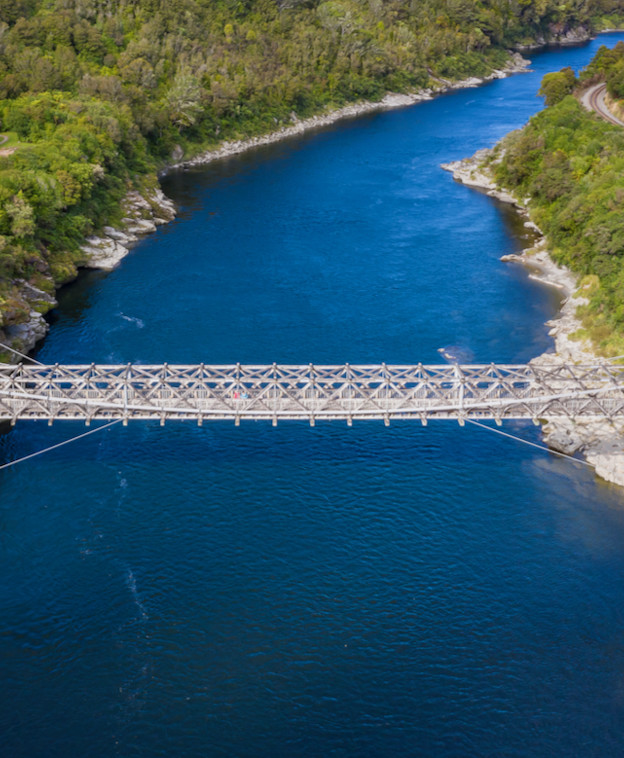
Denniston and Brunner Mines: solidarity through adversity
Did you know that two of Tohu Whenua’s West Coast sites are connected through solidarity in disaster?
Visit both Denniston and Brunner sites today and you will see the remnants of a harsh and dangerous way of life. Denniston families somehow made a life on the cold and remote Denniston Plateau, and Brunner Mine site pays homage to Aotearoa New Zealand’s most deadly industrial accident.
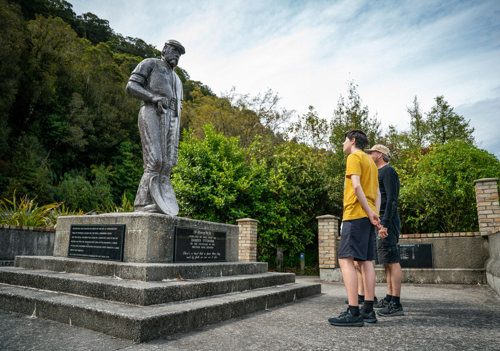
About 9:30am on the morning of 26 March 1896 a sound like artillery fire was heard throughout the bustling coal mining town of Brunner in Westland’s Grey Valley. An explosion had happened somewhere deep inside Brunner Coal mine. Initial investigations revealed pervasive afterdamp, a deadly mixture of carbon dioxide, carbon monoxide, nitrogen and other gasses. As the first rescuers moved deeper into the mine they found signs of a huge explosion; smashed railway lines, mangled trucks and the crushed bodies of miners.
Wild West Coast weather no deterrent
In mining circles, there was an unquestioned bond of occupational loyalty, forged through shared hardship and danger. Coal mining and the treacherous incline railway had claimed the lives of many in the Denniston community. No wonder that when Denniston miners heard about the Brunner Mine disaster, they immediately wanted to help. The tragic news arrived during a storm, delayed by hours due to fallen telegraph wires. A volunteer rescue party of twenty-five Denniston miners, plus other folk with relatives at Brunner, prepared to leave. Bad weather meant the party could not use the Buller Gorge so instead they travelled to Greymouth by sea. By the time they arrived it was obvious that all the Brunner miners were dead. Undeterred, the Denniston men joined in with recovering the bodies, along with men from Blackball, Hokitika, Kumara and Reefton.
Bravery and generosity throughout the rescue effort
The gas, fumes and dust meant the rescue parties could only work underground for twenty minutes at a time. Each group was followed by a backup team who carried out rescuers who collapsed. At one point there were 27 rescuers in the resuscitation tent.
The miners who stayed at Denniston immediately stopped work for the day, despite their employer’s disapproval. Denniston families also donated a day’s pay for the bereaved widows and children from Brunner.
An ex-Denniston resident, James P. Hallinan, on reading about the disaster, penned verses in praise of the rescue party and sent them to a Westport Paper: “Pray, let me ask, what men be these?/ Who, reeling from the appalling shock/ Rush onward, not in fear to fly/ But through the mine where danger reigns/ A life to save; if needs to die”.
Today when you visit these sites, you get a sense of where history happened and the places that forged the West Coast spirit of survival and solidarity.