Waiuta
The spirit of an isolated goldmining community
Waiuta was the location of the third biggest mine in Aotearoa New Zealand and the largest producer of gold on the West Coast. Its mines produced nearly 750,000 ounces of gold, which today would be worth $1.6 billion.
View on map
The intriguing story of Waiuta
Gold is struck!
Waiuta was founded in 1906 as a company town to exploit one of the most regular and persistent gold reefs found anywhere in the world.
Waiuta - an arbitrary name
Waiuta translates as ‘inland water’, but the name is not directly associated with Māori history in this place. As with many other settlements established around the same time, the name was created by the Post Office when postal service began. Under the Designation of Districts Act (1894), the names of new settlements had to be unique, with preference given to Māori names, even if they had no connection to the local area.
An isolated but thriving community
More than 600 people lived here in its heyday, a close-knit community of people from diverse backgrounds. The 1936 census recorded 601 people (including three tangata Maori). The mining company recruited experienced hard-rock miners from many countries, including Australia, Italy and Yugoslavia, making Waiuta more ethnically varied than most parts of Aotearoa. After WWI the company further recruited 40 Cornish miners (known as ‘Cousin Jacks') and their families.
Due to its isolation Waiuta had many of the services and facilities that were the envy of much larger towns. Sporting and social events created a strong sense of community and identity that former residents and descendants continue to maintain to this day.
Demanding conditions met with ingenuity and hard work
Mining was challenging with the narrowing gold bearing quartz reef plunging to great depths. Ingenuity and tenacity, including the sinking of New Zealand’s deepest shaft to nearly 900m (264m of which were below sea level), created a highly successful and productive mine. Working below ground was tough, with poor lighting and fumes making conditions difficult. Many miners died young from damage to their lungs caused by inhalation of ever-present quartz dust.
Sudden closure in 1951
In 1951 following the collapse of the Blackwater Shaft which provided ventilation to the various underground workings, the London-based company Consolidated Goldfields made the sudden decision to close the mine. The effect on the town was almost instantaneous: people left within weeks in search of new jobs. Most of the buildings were taken away and the machinery sold, scrapped or left behind.
Friends of Waiuta
For the past few decades the volunteer group Friends of Waiuta have steadily restored key historic buildings in collaboration with the Department of Conservation Te Papa Atawhai. Major achievements have included furnishing and equipping Waiuta Lodge, contributing toward the cost of interpretation panels around the town, restoring Gills Cottage and the Police Cottage (two of six historic buildings still standing in the town), and building a new block of wharepaku.
Waiuta is proudly cared for by the Department of Conservation Te Papa Atawhai and the Friends of Waiuta.
Things to see & do in Waiuta
Discover the relics of the once-bustling town
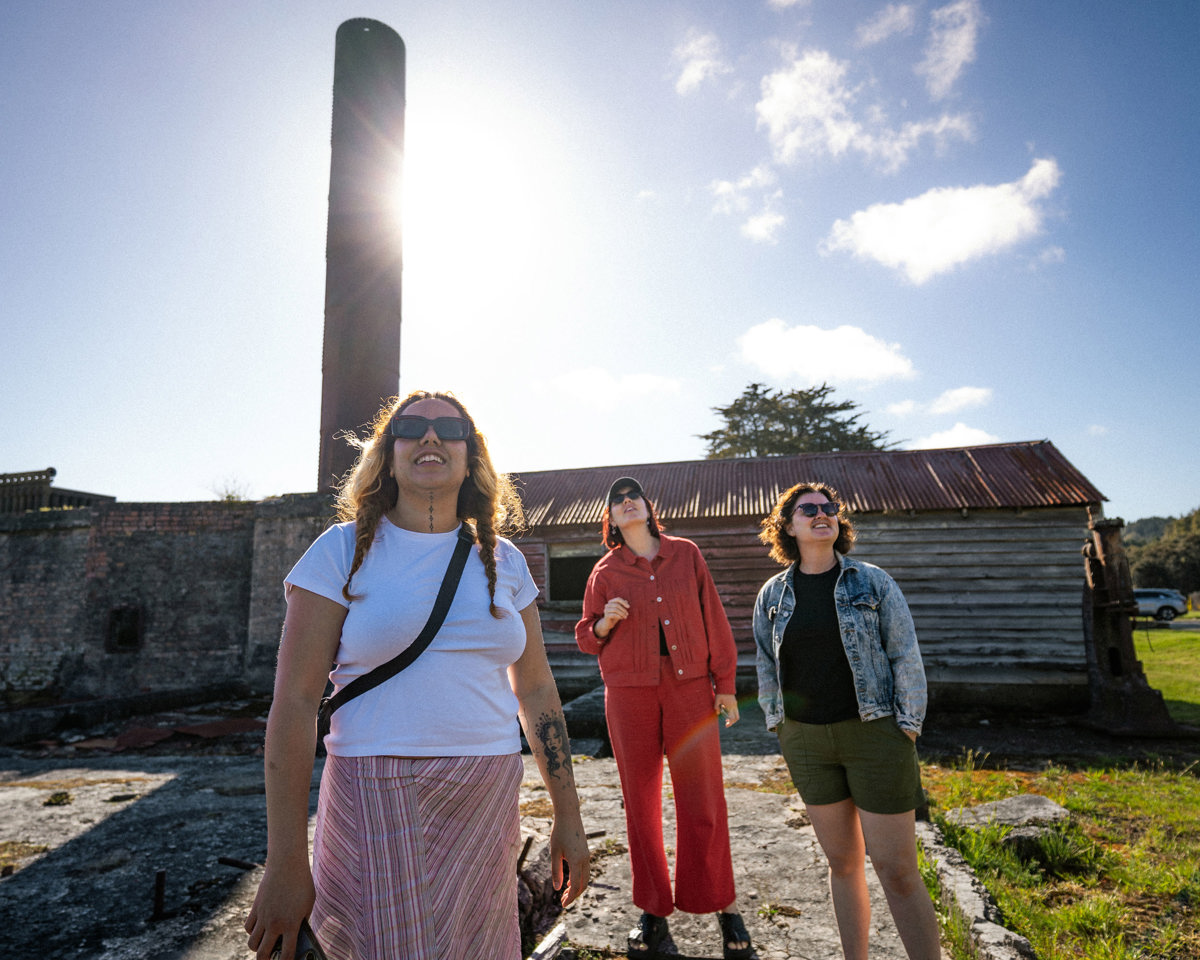
Explore Waiuta - often referred to as West Coast’s best ghost town - to get a tantalising glimpse of the once bustling community that made its home here.
Follow a near-level circuit of town along original roads past an Olympic size swimming pool, a rugby field with posts still standing, the Blackwater shaft, Waiuta Lodge (faithfully modelled after the hospital that stood on this site and operated as a bookable DOC hut), bowling greens, tennis court, and several cottages including the barber shop and police lock-up.
Prohibition Mine
The most impressive mining ruins can be found on the hill above Waiuta. Follow Pro Road to the top of Prohibition Mine (the country’s deepest mine shaft) and the foundations of the ball mill where quartz was ground to extract gold.
Photography by Jos Divis
The interpretation at Waiuta is excellent, thanks to photographer Joseph (Jos) Divis who recorded much of the everyday life of his fellow miners and their families.
Walk or cycle
Waiuta is best explored on foot, but much of the site is also suitable for mountain bikes.
Stay the night
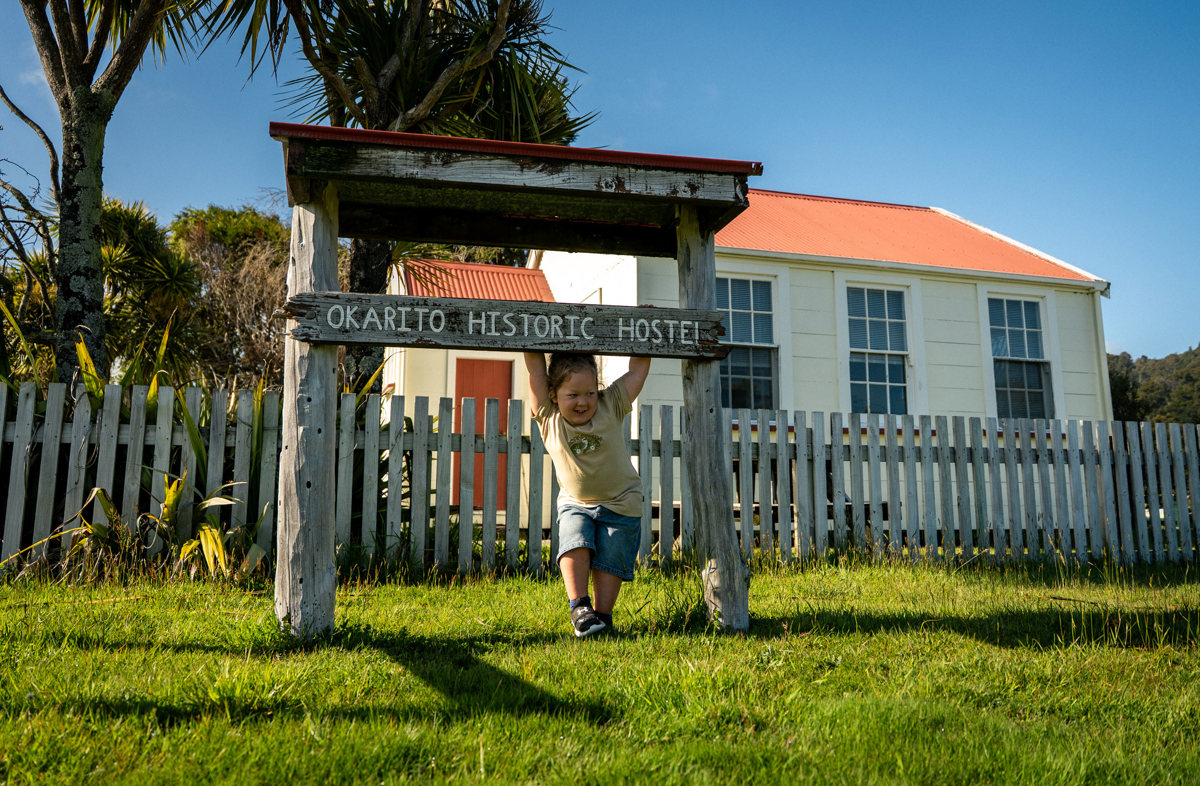
To enjoy even more of Waiuta, you can stay overnight in the fully equipped Waiuta Lodge, a bookable DOC hut.
More information